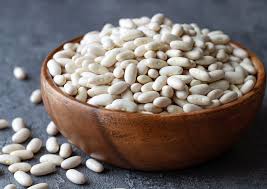
By Nomagugu Konke Montgomery Processors, a local food processing company based in Harare, has called on farmers to consider cultivating white beans, also known as Michigan pea beans or white haricot beans, due to the increasing demand for this variety at their factory. During a recent media tour, Mr. Michael Mugani, the Procurement and Outgrower Development Manager, highlighted the challenges of sourcing this type of bean within the country. “At Montgomery Processors, we purchase Michigan pea beans, which are essential for processing Monty’s baked beans. Currently, we face a significant challenge as we are importing most of our beans; only about 10% of our supply comes from Zimbabwe,” he said. Mugani encouraged farmers to grow this variety, emphasizing the financial benefits. “We pay US$1,200 per tonne for these beans, and we typically require 5,000 tonnes per year for our production,” he added. The most common variety of beans planted in Zimbabwe is sugar beans, which ranks among the top five crops that generate significant income for farmers and traders. Last year, the company embraced technological advancement by introducing Tetra Recart, a packaging solution that enables products like beans to be stored in cartons, offering shelf stability for about a year. During the tour, Montgomery’s Managing Director, Mr. Liam Philp, noted that this innovation has significantly reduced the company's costs associated with importing cans from South Africa. “Tetra Recart technology is the first of its kind on the African continent, and we take pride in being the innovators bringing it to Zimbabwe,” "This technology enhances our price competitiveness, promotes sustainability throughout the value chain, streamlines logistics, and reduces energy consumption in recycling," Philp said.
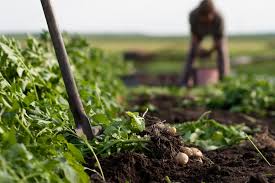
By Nomagugu Konke A rural community nestled in the heart of Zimbabwe; Mbire faces the dual challenges of limited resources and infrastructure alongside the increasing threats of climate change. Despite these obstacles, Mbire is actively working to promote sustainable development and preserve its rich cultural heritage and natural resources. To mitigate the impacts of droughts and floods, which have become more frequent and severe due to climate change, Mbire has embarked on a range of initiatives. These include community-led conservation efforts, training programs in sustainable agriculture, innovative waste management and recycling schemes, and the adoption of renewable energy sources. Additionally, the district is exploring eco-tourism as a means to generate income and protect its natural environment. Mamera Kadzingatsayi, a member of the Climate Change and Earth Stewardship community, has highlighted the importance of ecological integrity principles in driving sustainable development in Mbire. "Ecological integrity is the cornerstone of a thriving community," "It involves protecting natural resources, promoting sustainable agriculture, conserving biodiversity, reducing pollution, and ensuring sustainable water management," Kadzingatsayi emphasized during a presentation. "These initiatives not only improve livelihoods and food security but also enhance biodiversity, increase climate resilience, reduce pollution, and empower local communities," Kadzingatsayi explained. Key stakeholders involved in these efforts include local communities, traditional leaders, government agencies, NGOs, community-based organizations, the private sector, and research institutions. Kadzingatsayi called upon all stakeholders to collaborate and support community-led initiatives, advocate for policy changes, and engage in sustainable practices. "Together, we can promote climate resilience and earth stewardship in Mbire Rural District," she said. By embracing ecological integrity principles and implementing sustainable initiatives, Mbire Rural District is demonstrating its commitment to building a more resilient and prosperous future for its residents. Ecological integrity, the preservation of natural systems and their processes, is a cornerstone of sustainable development. It ensures that ecosystems can function effectively, providing essential services like clean air, water, and biodiversity. In Zimbabwe, where natural resources are vital for livelihoods and economic growth, safeguarding ecological integrity is paramount. One of the most pressing environmental challenges facing Zimbabwe is deforestation. Large swathes of forests have been cleared for agriculture, mining, and fuelwood, leading to soil erosion, loss of biodiversity, and climate change. Restoring these degraded ecosystems through reforestation and afforestation initiatives is crucial for ecological integrity. Additionally, promoting sustainable agriculture practices that minimize deforestation and soil erosion, such as agroforestry and contour farming, can help protect the country's natural resources. Another area of concern is water pollution, particularly in urban areas and mining regions. Industrial effluents, sewage, and agricultural runoff contaminate rivers and streams, harming aquatic ecosystems and endangering human health. Implementing stricter environmental regulations and investing in wastewater treatment infrastructure are essential steps to improve water quality and protect aquatic biodiversity. Moreover, Zimbabwe's rich biodiversity is under threat due to habitat loss, poaching, and illegal wildlife trade. Establishing protected areas, such as national parks and wildlife sanctuaries, is vital for conserving biodiversity and preserving ecosystems. Furthermore, strengthening law enforcement and combating illegal wildlife trade can help safeguard Zimbabwe's unique flora and fauna.
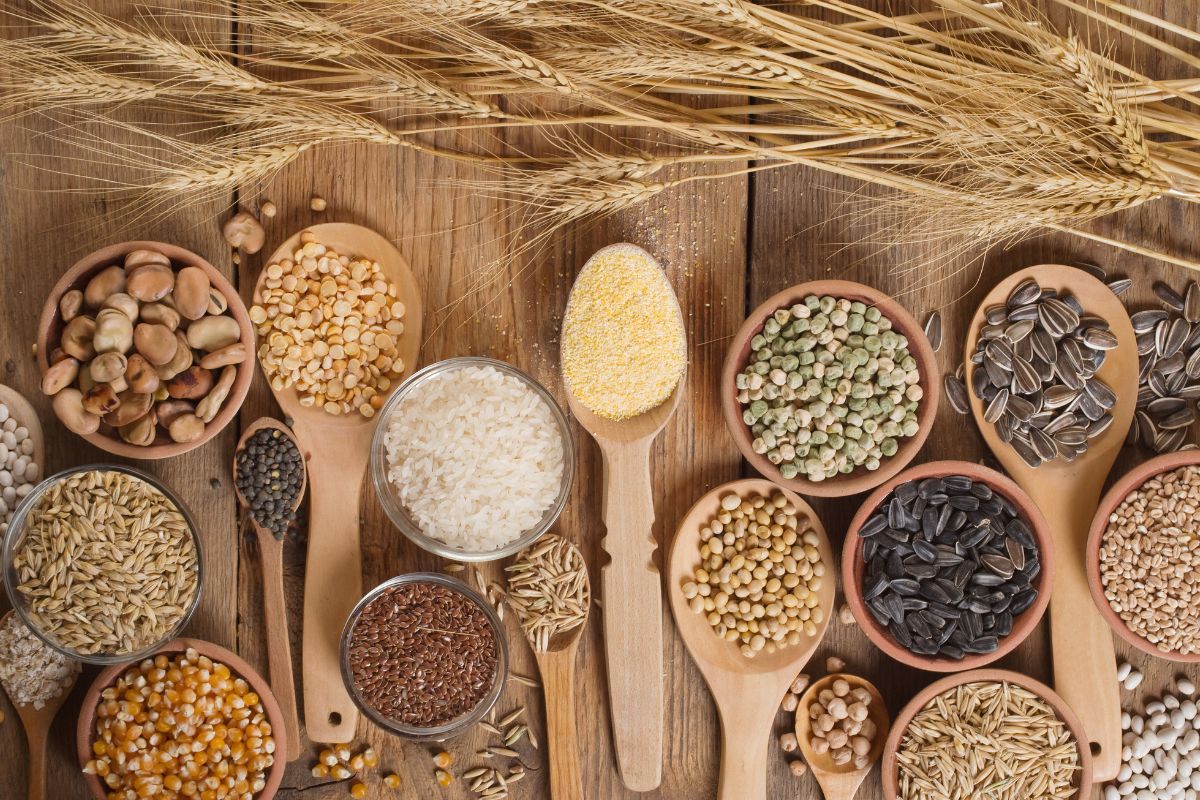
Govt targets 3.3m MT Cereal production amid drought By senior reporter The government is set to increase cereal production to 3.3 million metric tonnes (MT) during the 2024/2025 Summer Season Plan, aiming to bolster food security amid ongoing drought conditions. This target marks a substantial increase from the previous season's harvest of 744,271 MT. During a post-cabinet briefing on Tuesday, Information Minister Jenfan Muswere shared crucial updates on the agricultural sector's strategies in response to the El Niño-induced drought. “The 2024/2025 Summer Season Plan aims to increase production of cereals to 3,274,200 MT, compared to the 744,271 MT obtained during the 2023/2024 summer season," he said. Overall production of major crops is expected to rise by 347%, from 915,000 MT to over 4 million MT, with cereals targeted at 3.3 million MT and pulses at 819,500 MT. Currently, the Strategic Grain Reserve holds 245,052 MT of wheat, maize, and traditional grains. Muswere noted that over 746,238 hectares of maize have been planted, achieving 41.5% of the target area. “Under the Presidential Input Schemes, 117% of the targeted 9 million plots have been prepared by 116% of the targeted 3 million rural households,” said Minister Muswere. The Minister encouraged farmers to follow advisories from AGRITEX to navigate the challenges of the ongoing dry spell. “A prediction by the Meteorological Services of normal to above-normal rainfall is still in place,” he said.

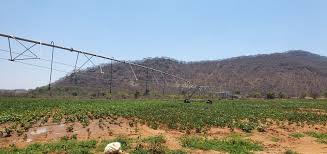
Zimbabwe Targets Bumper Harvest to Boost Food Security By Allan Mbotshwa Zimbabwe's Minister of Lands, Agriculture, Fisheries, Water and Rural Development, Dr Anxious Masuka, has outlined an ambitious plan for the 2024/2025 summer cropping season, aiming to significantly increase agricultural production and enhance food security. "The overall production volumes of major crops are expected to increase by 347%. The plan is to produce enough to feed the nation and to replenish the Strategic Grain Reserve," Minister Masuka stated. The government is targeting a total of 3.24 million hectares for summer crop cultivation, with maize, sorghum, pearl millet, finger millet, soybeans, groundnuts, sugar beans, groundnuts, and African peas being the primary crops. A significant portion of this land will be allocated to the Pfumvudza/Intwasa Climate-Proofed Presidential Inputs Supply Scheme, which aims to empower small-scale farmers. “To support the agricultural sector, the government has initiated various measures, including the distribution of inputs, the expansion of silo capacity, and the facilitation of contract farming arrangements for tobacco and cotton,” he added. The success of the 2024/2025 summer cropping season hinges on several factors, including timely rainfall, effective irrigation systems, access to quality inputs, and favourable market conditions. By addressing these factors and implementing sound agricultural policies, Zimbabwe can strive to achieve food self-sufficiency and economic growth.
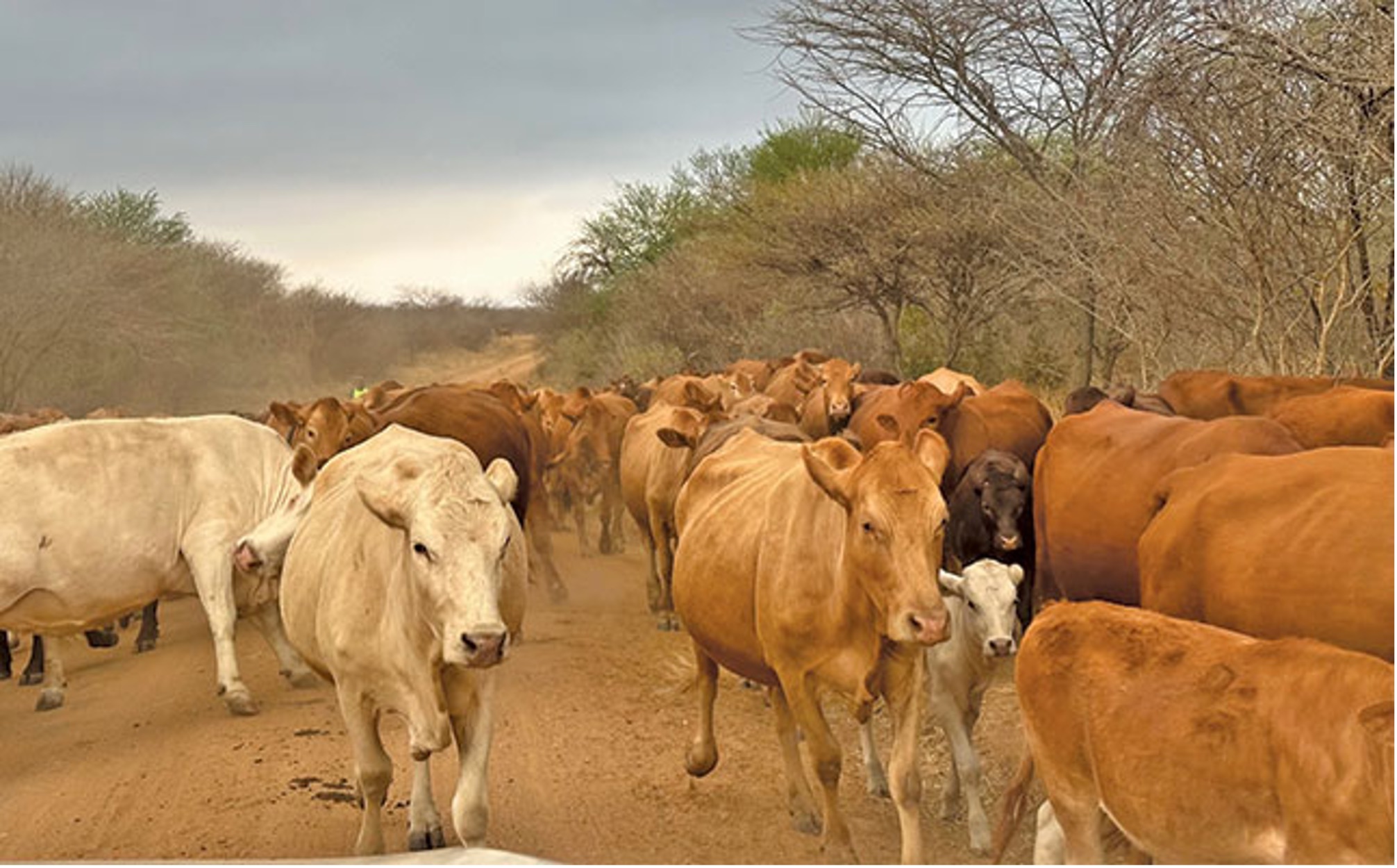
Zimbabwe's livestock industry at risk By Staff Reporter Zimbabwe's livestock industry, particularly cattle and goat production, has historically thrived in the drier southern regions of the country. This region's favourable climate and extensive grazing lands provided a comparative advantage for livestock production. However, in recent years, Zimbabwe has shifted its focus to the wetter northern region, potentially compromising its livestock production capacity. Dr. Reneth Mano, an agricultural economist with the Livestock and Meat Advisory Council (LMAC), highlighted that this shift has diluted the country's core competencies in livestock production. The southern region, better suited for ruminant livestock, has been neglected, while efforts are concentrated in the less suitable northern region. Livestock production plays a crucial role in Zimbabwe, contributing to household livelihoods, nutrition, and food security. Large-scale farmers, with their resources and adaptability,
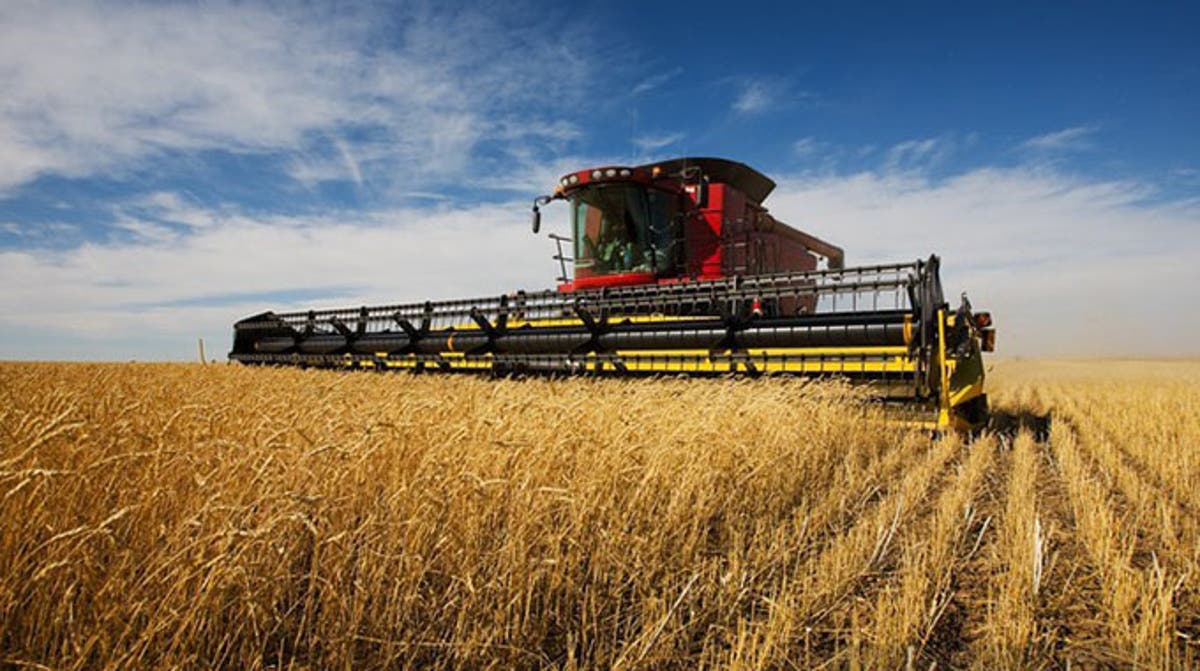
Zimbabwe Reaps Record Wheat Harvest, Aims for Bumper Summer Crop By Senior Reporter Zimbabwe has achieved a record-breaking winter wheat harvest for 2024. As of November 1st, 106,238 hectares had been harvested, yielding 518,502 metric tonnes of wheat, surpassing the previous year's total of 465,546 metric tonnes. Information, Publicity and Broadcasting Services Minister, Jenfan Muswere, attributed this success to the foresight and leadership of President Emmerson Mnangagwa. “The remarkable performance of the winter wheat programme attests to the foresight, planning and organizational dexterity of His Excellency the President, Cde. E.D. Mnangagwa,” said Muswere. Looking ahead to the 2024/2025 summer cropping season, the government has ambitious plans to increase production significantly. “The 2024/2025 Summer Season Plan aims to increase production of cereals to 3 274 200 metric tonnes, against the 744 271 metric tonnes obtained during the 2023/2024 summer season,” said Muswere. Under the Presidential Input Schemes, 91% of the targeted 9.5 million plots have been prepared by 86% of the targeted 3.5 million households. All beneficiaries will receive 50% of their inputs by 24th November 2024. The government has adopted additional measures to curb the abuse of inputs. The measures include blacklisting any official involved in input abuse; banning ward committees involved in input abuse; and implementing an improved Standard Operating Procedure with role clarity. Minister Muswere also said the National Enhanced Agricultural Productivity Scheme will establish a total of 52 500 hectares under maize, soybeans, traditional grains and sunflower, with a target to produce 256 000 metric tonnes. “The private sector has also undertaken to fund the establishment of 95 046 hectares of maize, soybeans, potatoes, sugar beans and sunflower. The ARDA facility will plant 100,000 hectares of maize and 50,000 hectares of traditional grains,” “The private sector support for cotton targets 418 800 farmers to plant 270 000 hectares under cotton. The target tobacco production for 2024/2025 season is 300 million kilogrammes, and to date, over 117 000 growers have registered,” “To achieve these goals, the government has implemented various measures, including the Presidential Input Scheme, which aims to provide inputs to 3.5 million households." All beneficiaries will receive 50% of their inputs by 24th November 2024," said Muswere.
Zimbabwe aims to boost food security By Allan Mbotshwa Zimbabwe's government is optimistic about the upcoming 2024/2025 summer cropping season, despite the challenges posed by the recent El Niño-induced drought. The Cabinet has received an update on the season's outlook, which includes strategies to increase production and ensure food security. A key component of the government's plan is the Presidential Input Scheme, which aims to distribute inputs to millions of farmers. This scheme, along with the National Enhanced Agricultural Productivity Scheme, targets increased production on specific hectares. The recent winter wheat harvest has been a significant success, surpassing the previous year's yield. This achievement has boosted confidence in the country's agricultural sector and its ability to meet the nation's food needs. However, challenges such as input abuse and the impact of climate change persist. The government is taking steps to mitigate these challenges and ensure a successful agricultural season. These measures include blacklisting officials involved in input abuse, banning ward committees implicated in such activities, and implementing improved Standard Operating Procedures. The government's target for the 2024/2025 summer season is ambitious, with a goal of increasing cereal production to 3.3 million metric tonnes and pulse production to 819,500 metric tonnes. To achieve these targets, the government and private sector are working together to provide support to farmers, including financing, inputs, and technical assistance. While the outlook for the 2024/2025 summer cropping season is promising, the success of these efforts will depend on various factors, including favourable weather conditions, timely input distribution, and effective implementation of government policies.
Stanly House, Cnr First & Jason Moyo, Harare
admin@thebusinessconnect.com
+263 719 534 907
/ +263 777 534 907
© The Business Connect. All Rights Reserved. Designed by Megabits Tech