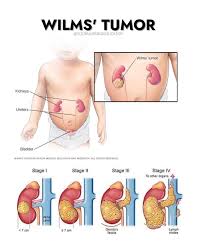
By Nomagugu Konke Donnell Mangoma, a vibrant 16-year-old, is living proof of the importance of early detection and swift action in childhood cancer cases. Donnell's story, narrated by his mother Duvai Muzenda , serves as a beacon of hope for families battling this disease. Donnell's journey began in 2019, when he was just 11 years old. "He started complaining of occasional side pain," Duvai recalls. "At first, we thought it was nothing serious, the ache was episodic, I attributed it to a potential injury sustained during play.” She said. The pain would intensify every week, and one night, his cries of pain and his refusal to eat or sleep were so severe that we decided to seek medical attention However, the pain intensified, leading to a visit to a 24-hour clinic in Malbereign. The tests delivered a shocking diagnosis: a growth had formed on Donnell's right kidney. Referred to Parirenyatwa Hospital, a specialist confirmed the mass was cancerous, a stage 2-3 Wilm's Tumor. Donnell underwent surgery to remove the affected kidney. “The weeks that followed were challenging, but thankfully, Donnell recovered well. “Today, he is back in his element, a thriving high school student at Murehwa Mission, actively participating in sports like any healthy teenager,” said Muzenda. Donnell's story offers a powerful message: early detection and prompt intervention can turn the tide against childhood cancer. By recognizing the warning signs and seeking medical attention immediately, parents can give their children the best chance of a full recovery, just like Donnell. Charity Kawadza, a nurse with KidzCan Zimbabwe, is urging parents to be vigilant in recognizing the early warning signs of childhood cancer. "Don't ignore unusual symptoms like misaligned eyes or unexplained aches and pains," she advises. "Early detection is crucial for successful treatment." Childhood cancer can often present with subtle symptoms that may be easily overlooked. By paying attention to these "red flags," parents can play a vital role in ensuring that their children receive timely medical attention. Kawadza emphasizes the importance of seeking professional advice if parents notice any concerning changes in their child's health. This month of September is Childhood Cancer Awareness Month, a time dedicated to raising awareness about pediatric cancer and supporting children and survivors affected by this devastating disease. Childhood cancer remains a leading cause of death for children under the age of 18. Despite advancements in treatment, many children and families continue to face significant challenges. In Zimbabwe, prevalent cultural beliefs frequently associate illnesses, such as cancer, with spiritual factors, resulting in stigmatization and delayed medical care. Certain cultural taboos and superstitions can impede the pursuit of medical assistance or adherence to prescribed treatments. The rise in childhood cancer cases at Parirenyatwa Paediatric Oncology paints a concerning picture. Between 2022 and 2023, diagnoses of various cancers, including leukemia, Wilm's Tumor, and retinoblastoma, have all shown an increase. This highlights the need for increased awareness and education among parents and caregivers. Childhood cancers can be broadly categorized into three main groups: leukemias, lymphomas, and brain tumors. According to the American Cancer Society, approximately 415 in 1 million children and teenagers will receive a diagnosis of one of these cancers in 2023. Leukemias are the most common type of childhood cancer, with an estimated 53 children and 35 teenagers per million being diagnosed in 2023. The two primary types of leukemia in children and teenagers are Acute Lymphoblastic Leukemia (ALL) and Acute Myeloid Leukemia (AML). Lymphomas are cancers of the lymphatic system. There are two main types: Hodgkin lymphoma and non-Hodgkin lymphoma. Hodgkin lymphoma is more prevalent in teenagers, while non-Hodgkin lymphoma is more common in this age group. Brain tumors are a significant concern for children and teenagers, with an estimated 33 children and 21 teenagers per million diagnosed with cancerous brain tumors in 2023. These tumors can be benign or malignant. Solid tumors can develop anywhere in the body. Common types of solid tumor childhood cancers include neuroblastoma, Wilms tumor, retinoblastoma, bone cancer (osteosarcoma and Ewing sarcoma), and rhabdomyosarcoma.

By Nomagugu Konke Disability rights organizations are urging the government to exempt people with disabilities from radio and television license fees. Disability rights organizations are urging the government to exempt people with disabilities from radio and television license fees. This follows the cabinet's approval of the Broadcasting Amendment Bill. Clause 15 of the bill prohibits the sale of motor insurance and vehicle license discs to individuals without ZBC radio licenses. Speaking to The Business Connect, Director of Signs of Trust, Samantha Sibanda emphasized the crucial role for access of information for people with disabilities. "People with disabilities have a right to access information, but the cost of owning and maintaining a radio or TV is prohibitive," she said. Research conducted by the Trust last year revealed widespread concern among people with disabilities regarding the financial burden of these devices. "Most live in poverty, often relying on small businesses. A license fee feels like a luxury," "We’ve been raising awareness about the extra costs associated with disability, which already make daily living more expensive. Adding license fees worsens the problem," Sibanda explained. The organization also pointed out the ineffectiveness of radios for the deaf community. “Deaf people are benefiting nothing, the bill proposes that at least only 10% of TV programming should be understood by people with hearing impairment. “In our submissions we raised that this too is a very low benchmark, there is still need for creativity in terms of radio programming currently, nothing is done,” she said. The Trust also advocates for more innovative and inclusive radio programming. While commending stations utilizing Facebook Live with automatic captions, Sibanda noted the language barrier. "We commend the radio stations that do Facebook live programs, with Facebook automatic captions some can access the content but vernacular language cannot be captioned, pausing another challenge," Sibanda said.
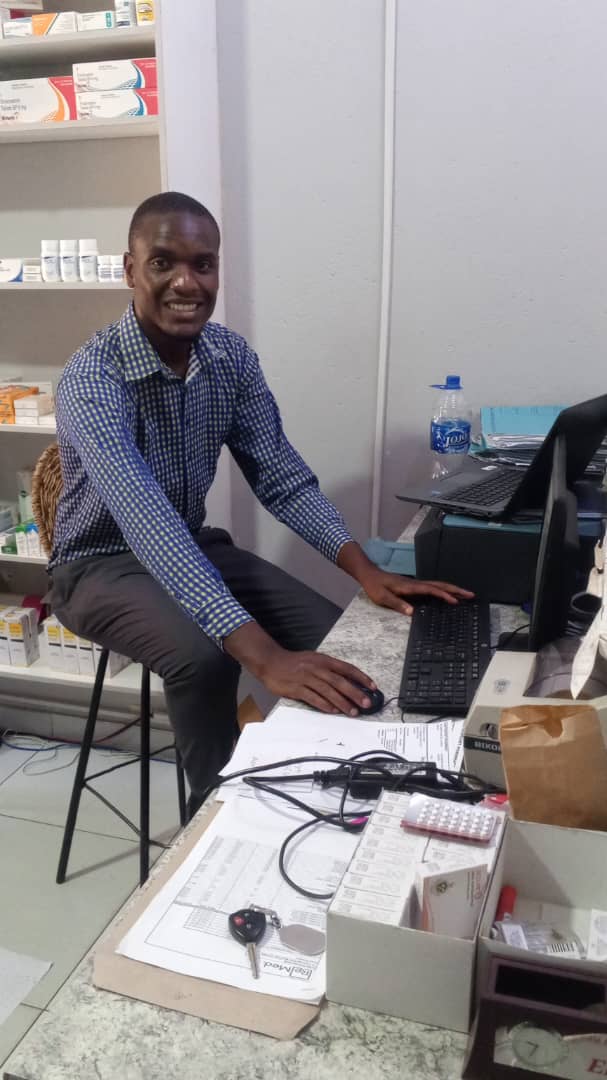
Celebrating innovation: Mukuhlani’s impact on HIV research By Allan Mbotshwa Blessed Takunda Mukuhlani, a registered pharmacist and researcher from Zimbabwe, recently gained global acclaim for his pioneering work in HIV research. His innovative proposal centred on the development of HIV nucleocapsid inhibitors was selected as one of the top five entries in the prestigious BioSolveIT Winter Challenge, an international competition designed to promote cutting-edge solutions in computational drug discovery. Mukuhlani’s project addresses a significant challenge in HIV treatment by targeting the HIV-1 Gag nucleocapsid domain, crucial for viral assembly and release. By employing a computational approach, his work holds the potential to greatly enhance antiviral therapies, which is especially vital in the fight against HIV, a global health concern affecting millions. “This recognition is a testament to the potential of computational methods in drug discovery and the talent we have here in Zimbabwe,” Mukuhlani remarked, highlighting both the innovative spirit prevailing in his home country and the importance of utilizing advanced technologies in medical research. His proposal’s publication on BioSolveIT’s platform further emphasizes the global significance of his work and connects him with a broader community of researchers dedicated to finding solutions to global health issues. As a supervising manager at a pharmacy and Vice Chairman of the FIP Early Career Subcommittee, Mukuhlani exemplifies a commitment not only to individual achievement but also to advancing healthcare practices both locally and internationally. His recognition brings pride to Zimbabwe, reinforcing the country’s role in global health innovation. The BioSolveIT Winter Challenge encourages participation from academics, non-profit organizations, and individuals tackling drug discovery problems, offering a platform for researchers to submit their innovative proposals. With new contests starting every three months, the initiative underscores the importance of collaboration and creativity in the health sector. Mukuhlani’s accomplishments highlight the critical role that innovative research plays in combating global health challenges such as HIV, inspiring future generations of researchers to pursue their ideas and contribute to meaningful advancements in healthcare.
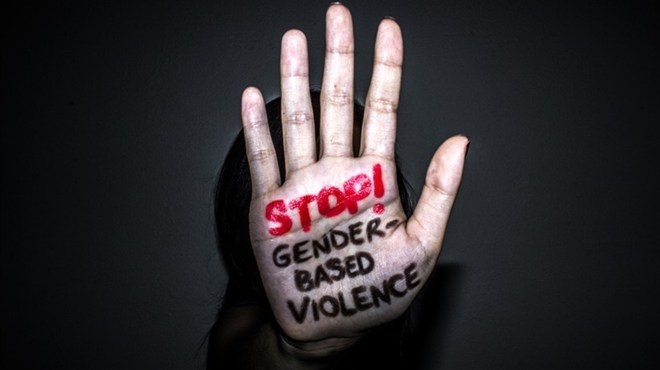
Turning the tide on gender-based violence in East and Southern Africa By Staff Reporter Joint op-ed by Eastern and Southern Africa Regional Directors: Ms Anne Githuku-Shongwe, UNAIDS; Ms. Lydia Zigomo, UNFPA; and Ms. Etleva (Eva) Kadilli, UNICEF. Janeth, a nurse in Tanzania, sees the toll of gender-based violence every day. Caroline, a young advocate in Malawi, educates her peers about abuse, hoping to break the cycle. Eric, a peer educator in Uganda, works tirelessly to improve HIV care in his community. These are the faces of resilience, working against the odds to build a better future for East and Southern Africa. When it comes to sexual and reproductive health and rights in Eastern and Southern Africa, the numbers are stark. The region has some of the world’s highest rates of gender-based violence, and adolescent pregnancy and remains the epicentre of the HIV crisis. Two-thirds of the global population of adolescents living with HIV reside in this region. New HIV infections are more than six times higher among adolescent girls (10-19 years) than adolescent boys in Eastern and Southern Africa. But the headlines don’t often show the changes that are improving lives across the continent, and all too often, they do not profile the inspiring work of young people like Janeth, Caroline and Eric working to turn the tide for their communities. As regional UN directors working in these areas we have travelled across Eastern and Southern Africa, hearing from the region’s most vulnerable. And while the figures on gender-based violence, unintended pregnancy, and preventable maternal deaths are far too high, we are left hopeful and inspired, knowing that change is possible. And it’s happening. Take the 2gether 4 SRHR programme, for example, collaboration between UNAIDS, UNFPA, UNICEF, and WHO, that works to advance sexual and reproductive health and rights (SRHR) for all in East and Southern Africa. In partnership with the Government of Sweden, the program has helped to improve the health and well-being of 640 million people since 2018. Countries have developed national guidelines and trained healthcare workers to ensure survivors are provided with quality, people-centred, integrated services so they can avoid unintended pregnancies, STIs and HIV and to ensure that perpetrators are prosecuted. This has led to better care and support for survivors, increased uptake of services, and better client retention. However, when it comes to making a lasting impact, it is clear that investments are also needed to create enabling policies and laws. Thanks to partnerships with the East African Legislative Assembly (EALA), and the Southern Africa Development Community Parliamentary Forum (SADC-PF), there has been considerable progress in tracking and safeguarding the rights of women and girls and other groups at risk. A new model law on Gender-Based Violence is now in place to guide the 16 SADC Member States to harmonise their national legislation on gender-based violence. This is a critical step for a region where 17% of girls and women have experienced sexual or physical violence by an intimate partner in their lifetime, and 8.6% have experienced sexual violence by a non-intimate partner. Eswatini, Lesotho, and Uganda have all passed laws that have strengthened provisions to deter sexual harassment, to protect survivors and ensure the prosecution of perpetrators. Harmful social, religious, and cultural norms often reinforce patriarchal values, so we work directly with religious leaders, communities, and networks of influencers across the region. We engage men and boys in conversations about gender equality, positive masculinity and sexual and reproductive health rights. With the 30th anniversary of the Beijing Declaration approaching and the SDG targets for gender-based violence and gender equality a mere six years away, the efficacy of partnerships and evidence-based programming is clear. We are all accountable for ending violence against women and girls once and for all. Each step forward in addressing gender-based violence is driven by a story of bravery and demand for change, whether it be legislators, health care workers, and community activists such as Janeth, Caroline and Eric. During this 16 Days of Activism against Gender-based violence and beyond, we celebrate all the heroes who are driving progress.
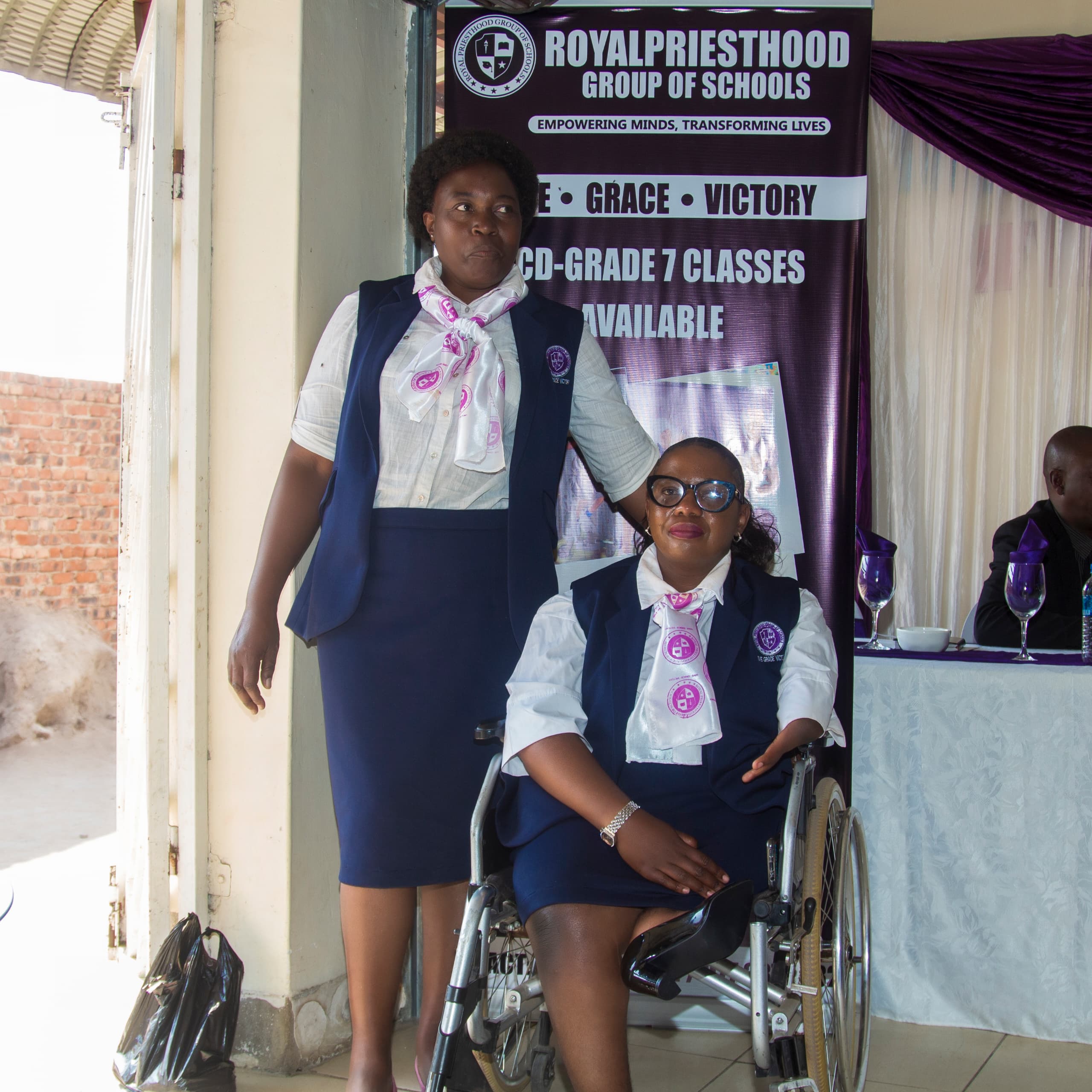
Every Child Matters By Nancy Mwakutireni Education is the foundation upon which we build our future. Yet, for far too long, children with special needs have been overlooked and underserved in our education system. However, this is changing as we have various schools like the Royal Priesthood Group of Schools making sure that no child is left behind. Every child, regardless of their abilities or challenges, deserves access to quality education that meets their unique needs and empowers them to reach their full potential. That is why this "Every Child Matters" campaign is so vital. It is shining a much-needed spotlight on the critical issue of special needs education. It is raising awareness and sparking important conversations about how we can do better to support all students, including those with disabilities, learning differences, or other special needs. We know that inclusive, specialized education programs can make an enormous difference in the lives of children with special needs. When these learners receive the tailored support, accommodations, and resources they require, they can thrive academically, socially, and developmentally. Their self-esteem grows, their opportunities expand, and their futures become brighter. Yet, access to these transformative educational programs remains uneven. Too many children with special needs still face barriers, stigma, and limited options. This is unacceptable. Every child matters, and every child deserves the chance to learn and grow in an environment that nurtures their unique strengths. That is why initiatives like this "Every Child Matters" campaign are so important. By raising awareness and mobilizing our communities, we can work together to make quality special needs education accessible to all. We must commit to building a more inclusive, equitable education system - one that celebrates diversity, empowers students of all abilities, and prepares every young person to thrive. When we do that, we do not just transform the lives of children with special needs. We strengthen our entire society because we unlock the boundless potential in every child. Let us continue to work hand-in-hand to ensure that every child, no matter their circumstances, has the opportunity to reach for the stars. Together, we can make a real and lasting difference in the lives of children with special needs across our community.
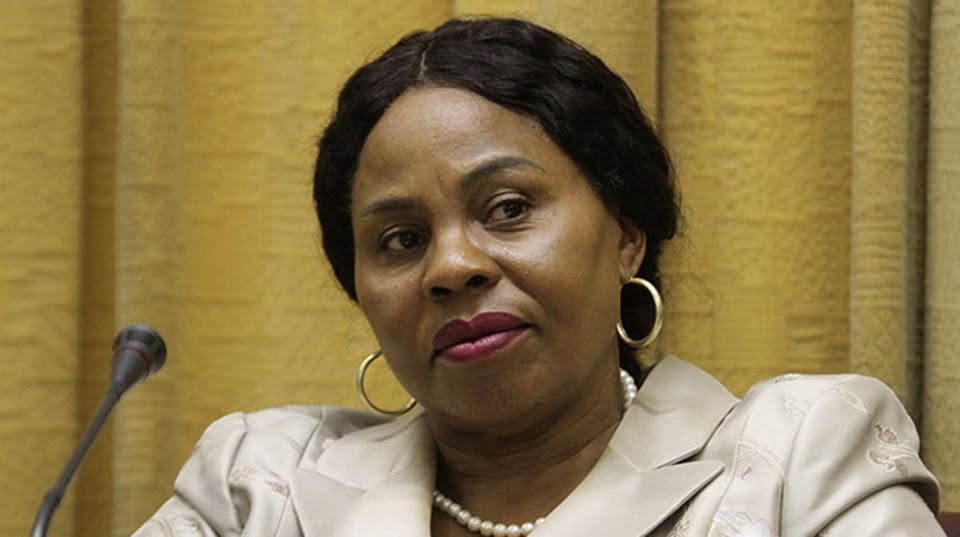
Zimbabwe Launches 16 Days of Activism against GBV By Senior Reporter Minister of Women Affairs, Community, Small and Medium Enterprises Development, Monica Mutsvangwa, launched the 16 Days of Activism Against Gender-Based Violence campaign in Umzingwane District, Matabeleland South Province, urging citizens to actively combat gender-based violence (GBV). The campaign, running under the theme “Towards 30 years of the Beijing Declaration and Platform for Action: UNiTE to End Violence Against Women and Girls,” marks the 30th anniversary of the Beijing Declaration and Platform for Action and a ten-year milestone towards achieving the Sustainable Development Goals. “Creating a society free from violence is our collective responsibility,” “Our cultural values have never condoned violence, but some individuals hide behind culture to justify their acts. The time to stand against them and change societal attitudes is now,” Minister Mutsvangwa said. She also highlighted the government's commitment to ending GBV, citing the construction of safe markets, including the Umzingwane Safe Market, scheduled to open by April 2025. “To create a conducive working environment for women, which is free from violence, we are constructing the Umzingwane Safe Market,” she stated. The 16 Days of Activism aims to raise awareness, mobilize action, enhance stakeholder collaboration, and strengthen accountability in addressing GBV. Minister Mutsvangwa noted Zimbabwe’s progress in advancing gender equality, referencing progressive laws such as the Domestic Violence Act, mandatory sentencing for rape, and legislation protecting pregnant girls in school. She also emphasized the 2021 launch of the High-Level Political Compact on Ending Gender-Based Violence. Despite this progress, alarming GBV statistics persist. “The Multiple Indicator Cluster Survey has shown that 42.5% of women have experienced physical or sexual violence in their lifetime,” “These are not just numbers; they represent our mothers, sisters, and daughters,” the Minister said. Minister Mutsvangwa called for reinvigorated efforts, recommitment to the Beijing Declaration, and strengthened multisectoral responses. She emphasized the importance of empowering survivors and engaging men in combating GBV, acknowledging that GBV is perpetrated by both men and women. “Our emphasis on male engagement does not mean that only men are the perpetrators of GBV, GBV is unacceptable in all its forms.” she clarified. The Minister also highlighted government initiatives such as the Women’s Development Fund and the establishment of One-Stop Centres providing holistic services to GBV survivors. “To date, the Ministry and its partners have established 18 One Stop Centres and a total of 20 GBV Safe Shelters,” she said.
Leaders Unite for Children's Rights – UN By Nomagugu Konke Seven Southern African countries met for the Regional World Children's Day commemorations which were running under the theme "Educate and Skill the African Child for Prosperity." While delivering his speech, UN Resident and Humanitarian Coordinator His Excellency Mr. Edward Kallon emphasized the importance of children's rights. "We must prioritize education, digital connectivity, climate action, and social protection for our children's future," "These celebrations are far more than symbolic; they are a platform for child participation, as embodied by the Convention on the Rights of the Child. We aim to amplify children’s voices, ensuring these voices are integral to policy and decision-making processes," "Through the combined efforts of governments and partners, children have been at the forefront of this event, shaping a Call-to-Action to be presented to our Heads of State," "It is imperative to hold ourselves accou
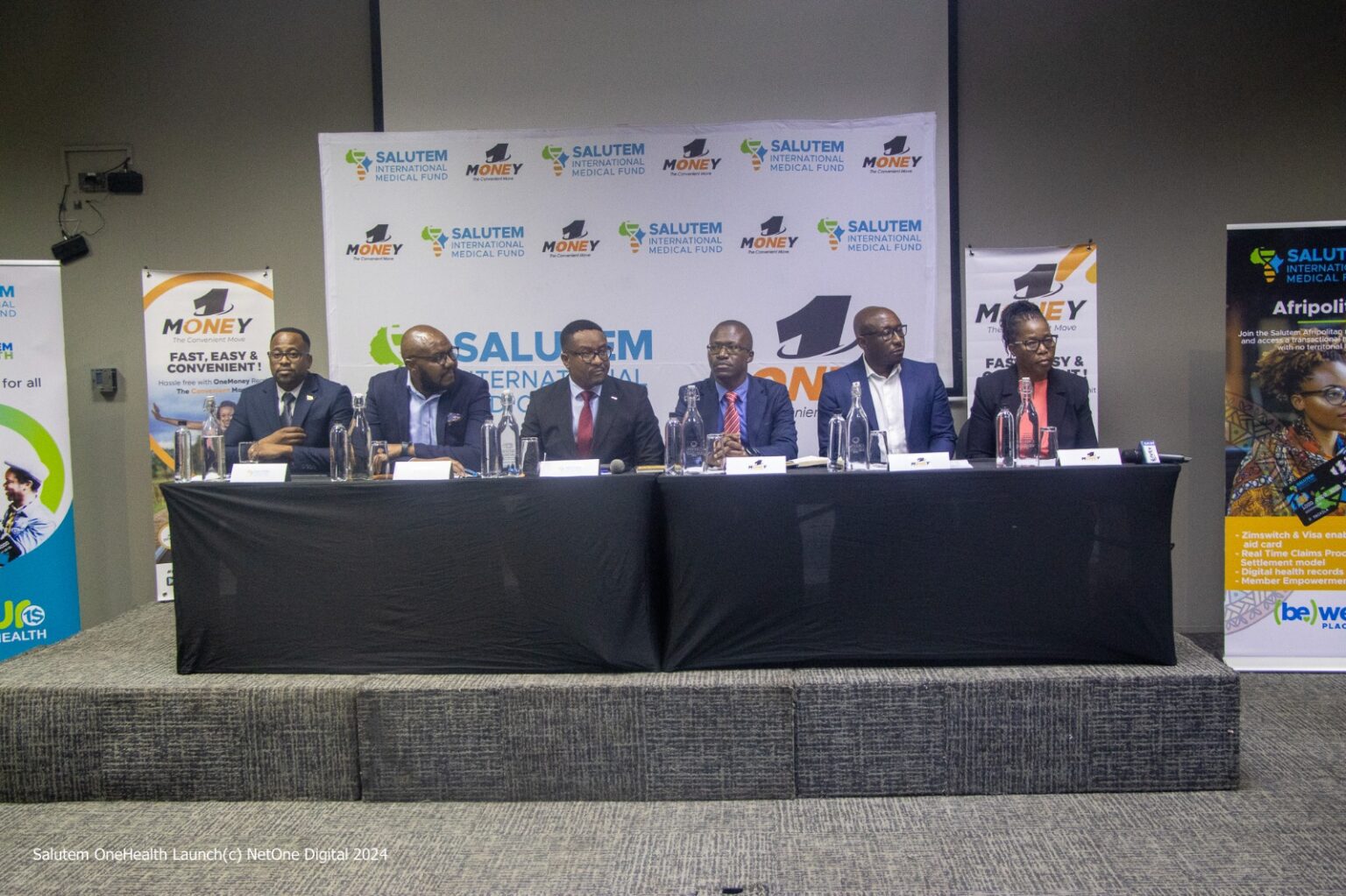
NetOne Partners with Salutem to Boost Healthcare Access By Nomagugu Konke NetOne has partnered with Salutem International Medical Fund to launch a new healthcare product called Salutem One Health. The product, accessible through NetOne’s OneMoney platform, aims to increase access to primary healthcare services nationwide. "This collaboration with Salutem reflects our collective response to the need for expanded healthcare coverage in Zimbabwe, where many citizens are currently without medical cover," "Together, we aim to extend quality healthcare access nationwide, a fundamental step toward Universal Healthcare,” said NetOne Group Chief Executive Officer, Engineer Raphael Mushanawani. For just US$1 per month, Salutem One Health offers members a range of benefits, including one general practitioner consultation per month and access to affordable prescription drugs. The product is available nationwide, with services provided by general practitioners, clinics, and general hospitals. NetOne Chief Commercial Officer, Learnmore Musunda, highlighted the role of technology in enhancing healthcare delivery. "Through OneMoney’s platform, we are enabling efficient healthcare payments. Users can register dependents, transact instantly, and receive real-time claims processing without the burden of shortfalls," he said. Salutem Managing Director, Ruka Nyaka, emphasized the product's role in advancing national healthcare objectives. "The Salutem One Health product is designed to support inclusive healthcare in Zimbabwe and increase access to primary healthcare without financial hardship," he said. The Salutem One Health product offers several key features: real-time claims processing and instant payments, the ability to register unlimited dependents, nationwide access to healthcare providers, self-service claim processing through a mobile app or USSD, and WhatsApp integration for claim processing. The partnership between NetOne and Salutem represents a significant step towards increasing medical aid coverage in Zimbabwe, where many people lack access to insurance.
Stanly House, Cnr First & Jason Moyo, Harare
admin@thebusinessconnect.com
+263 719 534 907
/ +263 777 534 907
© The Business Connect. All Rights Reserved. Designed by Megabits Tech