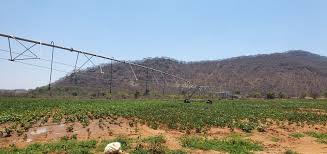
By Senior Reporter The Romsley Irrigation Scheme in Makoni, Manicaland Province, is significantly changing the lives of local farmers, turning them from subsistence to commercial producers. During a recent visit to the irrigation site, villagers expressed how the scheme has allowed for crop diversification and created job opportunities. Barnabas Kusotera from Village 1E Romsley said, “I am grateful for this irrigation scheme because it changed our lives. We used to struggle for water and walk many kilometers during the dry seasons to fetch it. Now, we have planted maize and beans. “We haven’t harvested the maize yet, but it’s ready. The scheme has provided part-time jobs, allowing us to earn money to support our families. My wish is that all 500 hectares we have should be put to use.” Whisper Kurauone Makani, secretary for the irrigation management committee at Romsley, added, “According to our agreement with our joint venture partner, Tenza Systems, we receive 10 percent of the gross. When we harvest and sell our products, 10 percent is our benefit as farmers. “Besides the land operated by our joint venture, we have set aside 6 hectares for ourselves. This allows us to learn and practice what we’ve been taught about growing different crops.” He said. The Romsley Irrigation Scheme is proving to be a vital resource for the community, empowering farmers and enhancing food security in the region. The rainfall in Makoni South is too erratic for dry land farming, highlighting the need for irrigation. The facility features an 18-kilometer canal that draws water from the Mucheke River to supply 24 center pivots. The scheme protects farmers from droughts and mid-season dry spells, allowing them to intensify production throughout the year.
By Daniel Kachere Zimbabwe recorded a fatality at a major construction site following the death of a worker after a crane which was being dismantled collapsed at the Mbudzi Interchange in Harare yesterday. Mbudzi Interchange which is being constructed at a cost of US$88 million, will be renamed Trabablas Interchange when complete in honour of President Mnangagwa’s wartime nickname. Confirmation from Tefoma Construction (Pvt) Ltd through a statement reads: "The incident occurred during the dismantling of a static tower crane by Manzlink (Pvt) Ltd (Manzlink), our contracted rigging specialist firm. The mechanical failure resulted in the collapse of both the static tower crane and the mobile crane being used for the de-erection process." The name of the deceased who was an employee of Manzlink, a specialist subcontracted company at the site is yet to be published. However, full investigations surrounding the incident have begun with relevant authorities. The incident is likely to spark growing concerns surrounding occupational safety and health at the workplace in Zimbabwe. During the first quarter of 2024 (January-April), workplace incident figures from the National Social Security Authority (NSSA) indicated that there were 846 injuries and 9 fatalities across sectors. As of September 2024, NSSA had reported 76 workplace fatalities and 4,912 injuries an increase from 2023, when the NSSA reported 60 fatalities and 4,334 injuries. Meanwhile, Tefoma and Manzlink have committed to continue to working with investigation authorities together with the deceased's family after the tragic incident. Prior to the unfortunate development there had not been any incidents that claimed any life since construction work began at the site in the year 2022.
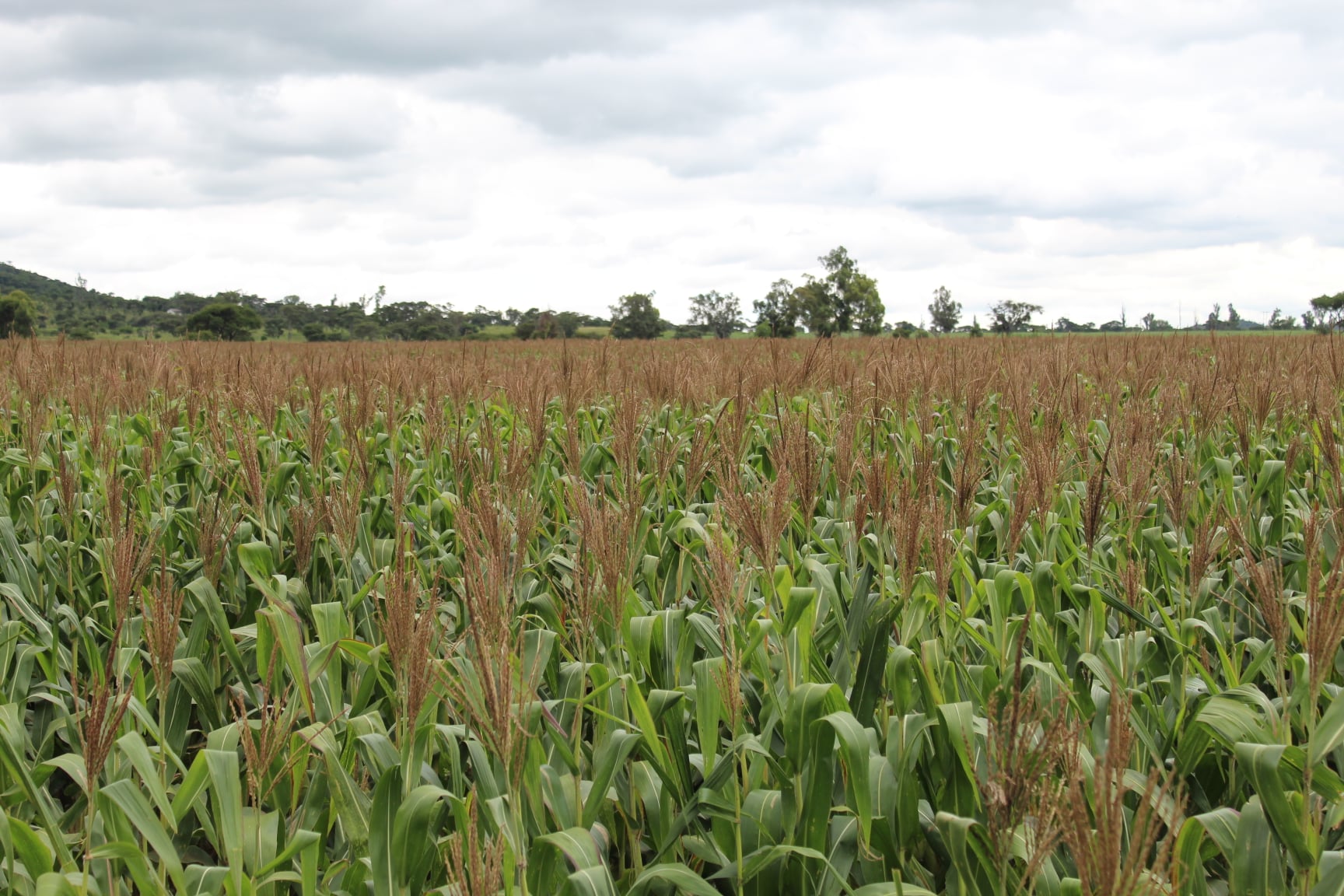
Minister Masuka on Zimbabwe's Food Security By Allan Mbotshwa Food security remains a pressing issue in Zimbabwe, as highlighted by Minister of Lands, Agriculture, Fisheries, Water and Rural Development, Dr. Anxious Jongwe Masuka. The recent Cabinet update on the Food Security Outlook to March 2025 emphasizes the critical need for robust strategies to ensure that all Zimbabweans have access to sufficient, safe, and nutritious food. “As of now, Zimbabwe’s Strategic Grain Reserve holds a total of 245,052 metric tonnes (MT) of essential grains, including wheat and maize. This stock is crucial, especially with projected consumption through various programs—such as the Food Deficit Mitigation Programme and the School Feeding Programme—expected to reach 241,089 MT between December 2024 and March 2025,” said Minister Masuka. The balance between supply and demand is tight, underscoring the importance of effective management and distribution of these resources. A notable success in the agricultural sector is the record wheat harvest of 563,961 MT, surpassing the previous year's 465,548 MT. This achievement reflects the government's commitment to enhancing food production capabilities, particularly in response to ongoing drought challenges. The private sector is also playing a vital role by importing stock feed, which is essential for maintaining livestock health and productivity. “The 2024/2025 Summer Season Plan aims to significantly boost cereal production to 3,274,200 MT, a substantial increase from the 744,271 MT of the previous season. The ambitious goal of raising the overall production volumes of major crops by 347%—from 915,000 MT to over 4 million MT—demonstrates a proactive approach to food security. The planting of over 746,238 hectares of maize under various support programs indicates a strong foundation for achieving these targets,” he added. However, challenges remain, particularly concerning the current dry spell. The government is urging farmers to follow agronomic advice from AGRITEX to navigate these conditions effectively. Encouragingly, predictions of normal to above-normal rainfall offer hope for improved agricultural outcomes. In conclusion, food security in Zimbabwe is a multifaceted issue that requires coordinated efforts across government, private sector, and community levels. As Minister Masuka emphasizes, ensuring a stable food supply is vital for the nation’s health and well-being and economic resilience.
Govt intensifies fight against alluvial mining By Allan Mbotshwa In a significant move to combat environmental degradation, Zimbabwe has enacted Statutory Instrument 188 of 2024, aimed at banning alluvial mining practices that have severely damaged river ecosystems. This legislation is a response to the pressing need for environmental protection, reflecting the government's commitment to restoring the natural balance disrupted by destructive mining activities. The statutory instrument establishes an outright ban on riverbed mining, supported by an Inter-Ministerial Committee led by the Minister of Lands, Agriculture, Fisheries, Water and Rural Development, Dr. Anxious Jongwe Masuka. “This comprehensive approach includes conducting surveys to assess the current status of river ecosystems and enforcing more stringent penalties for violations. Stiffer penalties, including the seizure of minerals, machinery, and vehicles, underscore the government's determination to deter illegal mining activities. Since the implementation of the ban, authorities have made 344 arrests, signalling robust enforcement,” he said. The environmental benefits of this initiative are manifold. Alluvial mining often leads to habitat destruction, siltation, and pollution, significantly compromising biodiversity and water quality. “By prohibiting these practices, the statutory instrument aims to rehabilitate degraded river systems, promoting healthier ecosystems and safeguarding water resources essential for agriculture and community livelihoods,” he added. Furthermore, the successful enforcement of this law can enhance public awareness about sustainable practices and the importance of protecting natural resources. Engaging local communities in rehabilitation efforts not only empowers them but also fosters a sense of stewardship over their environment. In conclusion, Statutory Instrument 188 of 2024 represents a crucial step towards environmental restoration in Zimbabwe. By prioritizing ecological health over short-term gains, the government can pave the way for sustainable development that supports both the economy and the environment, ultimately ensuring a prosperous future for generations to come.

Zimbabwe and EU Strengthen Partnership Dialogue By Nomagugu Konke Zimbabwe and the European Union (EU) held the Partnership Dialogue, reaffirming their commitment to a strengthened relationship based on mutual respect and shared goals. The dialogue, described as a platform for “frank and constructive exchanges,” aims to deepen cooperation across various sectors. Permanent Secretary for Foreign Affairs and International Trade, Ambassador Albert Chimbindi, while delivering his remarks, emphasized the importance of shared values and mutual respect underpinning the partnership. “The very idea of a partnership dialogue denotes common interests, shared values, mutual respect and equality, these principles should underpin our engagement,” he said. He expressed gratitude for EU support through the Multi-Annual Indicative Programme (MAIP) and the Neighbourhood Development and International Co-operation (NDICI) Framework and looked forward to further collaboration under the Global Gateway Initiative. “Zimbabwe engages with the rest of the world as an equal partner, we have something to offer which others including the EU, desire,” he said. He also noted Zimbabwe's positive trade balance under the EU-ESA Free Trade Agreement. EU Ambassador Jobst Von Kirchman highlighted the importance of mutual respect and working together. “This dialogue provides an essential platform for frank and constructive exchanges on matters of shared interest, while also addressing issues where our views may differ,” “An open and continuous dialogue enables us to foster mutual understanding and engagement, which is critical to a lasting partnership,” he said. Ambassador Von Kirchman highlighted the EU’s commitment to increased trade and investment in Zimbabwe, emphasizing the importance of good governance, transparency, and accountability. He also pointed to the potential for further collaboration on the Structured Dialogue Platform on Arrears Clearance and Debt Resolution. “We are not only here to exchange views but to explore concrete avenues to deepen cooperation for the benefit of Zimbabwe and the European Union,” he stated.
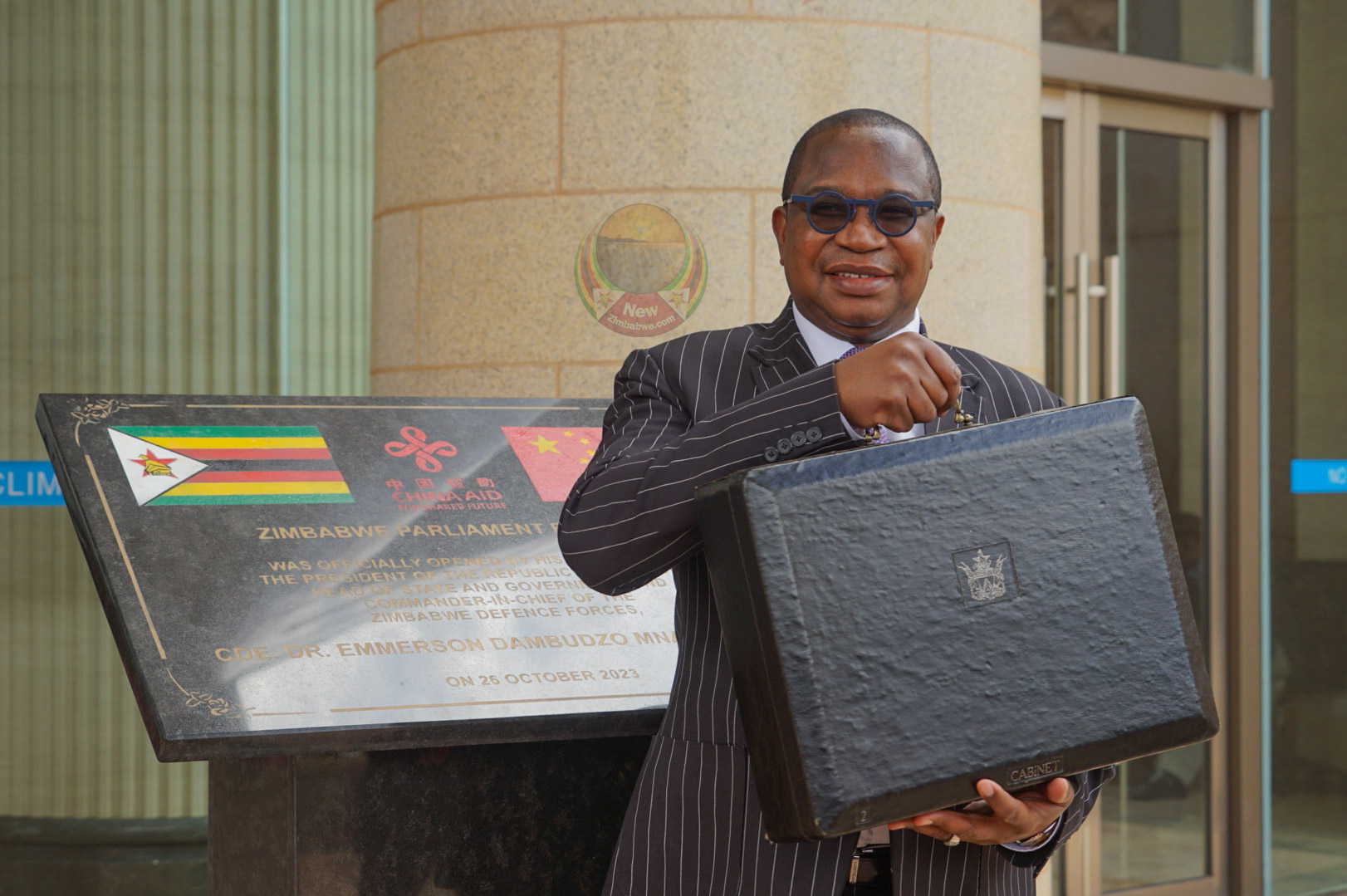
New Tax measures aimed at increasing revenue By Allan Mbotshwa As of November 2024, Zimbabwe’s government has presented its 2025 National Budget, unveiling several new tax measures aimed at generating revenue and addressing ongoing economic challenges. Among the most notable changes are the introduction of higher income tax brackets, an increase in corporate tax rates, and the expansion of the value-added tax (VAT) to include more goods and services. These tax adjustments hold significant implications for individual taxpayers and businesses alike. For individuals, the hike in income tax rates, especially for those in the middle and upper-income brackets, could lead to reduced disposable income, impacting their ability to spend and save. “This might strain household budgets further, as increased tax burdens could coincide with rising living costs driven by inflation, affecting their standard of living,” said Tatenda Tauya, a local economic analyst. For businesses, the increased corporate tax rates could challenge profitability, particularly for small and medium-sized enterprises (SMEs) that are already grappling with economic uncertainty. Higher taxes may force companies to either pass costs onto consumers through higher prices or reduce their workforce, potentially leading to job losses. The extension of VAT could also deter consumer spending, as prices for a broader range of goods and services increase. “On a broader scale, while the government aims to enhance revenue collection to improve public services and infrastructure, the success of these tax policies hinges on their implementation and the country's overall economic stability,” highlighted Mr Cosygyn Alsen, an economist. If taxpayers feel overburdened, it could stifle economic growth and limit investment opportunities, hindering the nation’s recovery from its longstanding economic challenges. Ultimately, the newly announced taxes reflect Zimbabwe’s attempt to balance fiscal responsibility with the need to stimulate economic growth. However, the immediate effects on taxpayers will require careful monitoring to ensure the measures do not exacerbate existing economic vulnerabilities.

Forbes Border Post set for a modern makeover By Staff Reporter Zimbabwe is poised to significantly enhance its regional connectivity and trade facilitation with the upcoming modernization of the Forbes Border Post. The project, a Public-Private Partnership (PPP) between the Ministry of Transport and Infrastructural Development and the Forbes Border Consortium, is set to revolutionize border operations. The PPP model will leverage private sector expertise and investment to upgrade and modernize the border post's infrastructure, including buildings, facilities, and information technology systems. This will streamline customs procedures, reduce clearance times, and improve overall efficiency. Key benefits of the project include: Enhanced regional connectivity: The modernized border post will facilitate smoother movement of goods and people between Zimbabwe and neighbouring countries, particularly those in the Southern African Development Community (SADC) region. Increased trade: By reducing bureaucratic hurdles and improving infrastructure, the project will stimulate trade and economic activity, benefiting both local businesses and the national economy. Improved revenue collection: Enhanced monitoring and collection capabilities will enable the government to increase revenue generation from border fees and taxes. Enhanced security: Modernized security systems will strengthen border control and help prevent illicit activities such as smuggling and human trafficking. Job creation: The project will create employment opportunities during the construction phase and in the ongoing operations of the modernized border post. The Forbes Border Post modernization project is a significant step towards Zimbabwe's goal of becoming a regional logistics hub. By investing in infrastructure and streamlining border procedures, the country can attract more foreign investment, boost exports, and improve the overall business environment.
China remains a major investor in Zimbabwe By Nomagugu Konke Zimbabwe is experiencing a surge in foreign investments, with China playing a pivotal role in driving the influx of capital into the country. According to Deputy Chief Secretary William Manungo, Chinese investments have been particularly concentrated in the mining and manufacturing sectors. "China remains a key investment partner for Zimbabwe, and their contributions have been substantial," "Beyond mining, we have also seen significant investments in partnership with China in areas such as transport and energy." Manungo stated. The Zimbabwe Investment and Development Agency (ZIDA) reported that 369 licenses were issued to Chinese investors in 2023, representing a projected investment value of $3.93 billion. This accounted for approximately 40% of the total projected investment value for the year. Bilateral trade between China and Zimbabwe has also witnessed a significant increase. In 2023, trade reached $3.122 billi
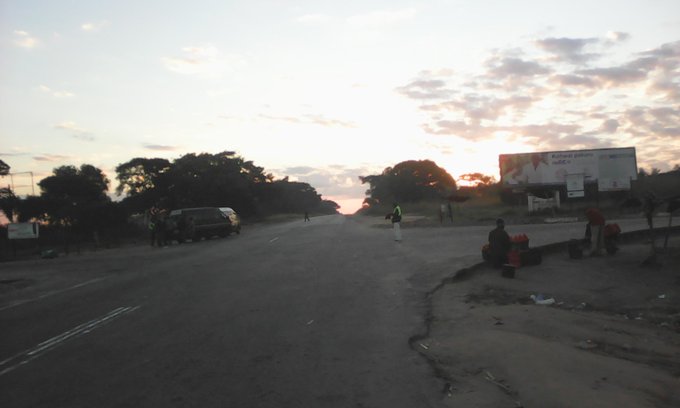
Zimbabwe approves PPP for Harare-Nyamapanda Road By Allan Mbotshwa The Zimbabwean Cabinet has approved a Public-Private Partnership (PPP) project for the upgrading, construction, and tolling of the Harare-Nyamapanda Road and Nyamapanda Border Post. The project will be implemented through a Build, Operate, and Transfer (BOT) model. A Special Purpose Vehicle (SPV) will be established to oversee the project. The SPV will be responsible for the design, construction, and maintenance of the road and border post infrastructure, as well as the collection of toll fees. The government anticipates several benefits from this project, including: Enhanced Trade: Improved road infrastructure will facilitate smoother and faster movement of goods between Zimbabwe and Mozambique, boosting local businesses and attracting new investments. Job Creation: Increased trade activity is expected to generate employment opportunities, reducing unemployment rates in the region. Increased Government Revenue: The project will improve revenue collection for the government, which can be reinvested in local infrastructure and services. Improved Quality of Life: Reduced travel time and cost will enhance the quality of life for local residents. Regional Integration: The project will strengthen regional integration and cooperation between Zimbabwe and Mozambique. Enhanced Safety and Security: Reduced congestion and improved infrastructure will lead to better safety and security at the border. By leveraging the private sector's expertise and capital, the government aims to expedite the development of critical infrastructure and contribute to the country's economic growth.
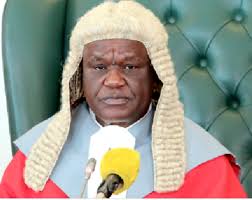
By Staff Reporter Chief Justice Luke Malaba has instructed the Judicial Service Commission (JSC) to organize training for traditional leaders on legal and ethical standards to ensure they treat litigants with dignity and respect, rather than threats or insults. Recent concerns have emerged regarding the conduct of some traditional leaders who have been reported to insult or threaten individuals during dispute resolutions. A notable case last year involved a traditional leader caught on video threatening physical assault against a community member. Moreover, several litigants have contested decisions from chiefs' courts, underscoring the friction between customary and common law frameworks. During the opening of the 2025 Legal Year, Chief Justice Malaba emphasized the need for traditional leaders to be equipped with skills to administer justice effectively and lawfully. "I have directed the JSC secretary to engage with the National Council of Chiefs specifically to focus on training in judicial conduct," Malaba stated. "This initiative aims to empower chiefs with the skills required for fair dispute resolution in their courts." He further stressed that traditional leaders must adhere to legal principles that govern judicial proceedings and protect the rights and dignity of litigants. "Those seeking justice from customary law courts deserve to be treated with respect. Insults are unacceptable," he added. Chief Justice Malaba highlighted the integral role of traditional leaders in the justice system, particularly in alternative dispute resolution through customary law. He noted that while traditional leaders are not directly under the JSC, the commission has the responsibility to ensure all courts, including customary ones, function efficiently and justly. "The duties of a chief are outlined in the Traditional Leaders Act, aligning with constitutional provisions that recognize traditional leaders as part of the judiciary under customary law," Malaba explained. He underscored the importance of upholding human rights in all judicial proceedings to maintain public trust in the justice system. Chief Mtshane Khumalo, president of the National Council of Chiefs, welcomed the initiative, pointing out the lack of training for traditional leaders in recent years. Following Malaba’s directive, immediate action has been taken to start the training process. "I've just attended a workshop discussing the training rollout," Chief Khumalo said. "Media reports have criticized the behavior of some chiefs, which this training aims to rectify. Many chiefs appointed since 2021 have not received formal training on court session management." He confirmed that a strategic meeting has been held to plan the training program, which will serve as both a refresher for experienced chiefs and an essential introduction for newcomers. "This training will ensure chiefs are well-versed in customary law and the proper conduct of court sessions as previously guided by the Office of the Chief Magistrate," Chief Khumalo concluded.
Stanly House, Cnr First & Jason Moyo, Harare
admin@thebusinessconnect.com
+263 719 534 907
/ +263 777 534 907
© The Business Connect. All Rights Reserved. Designed by Megabits Tech