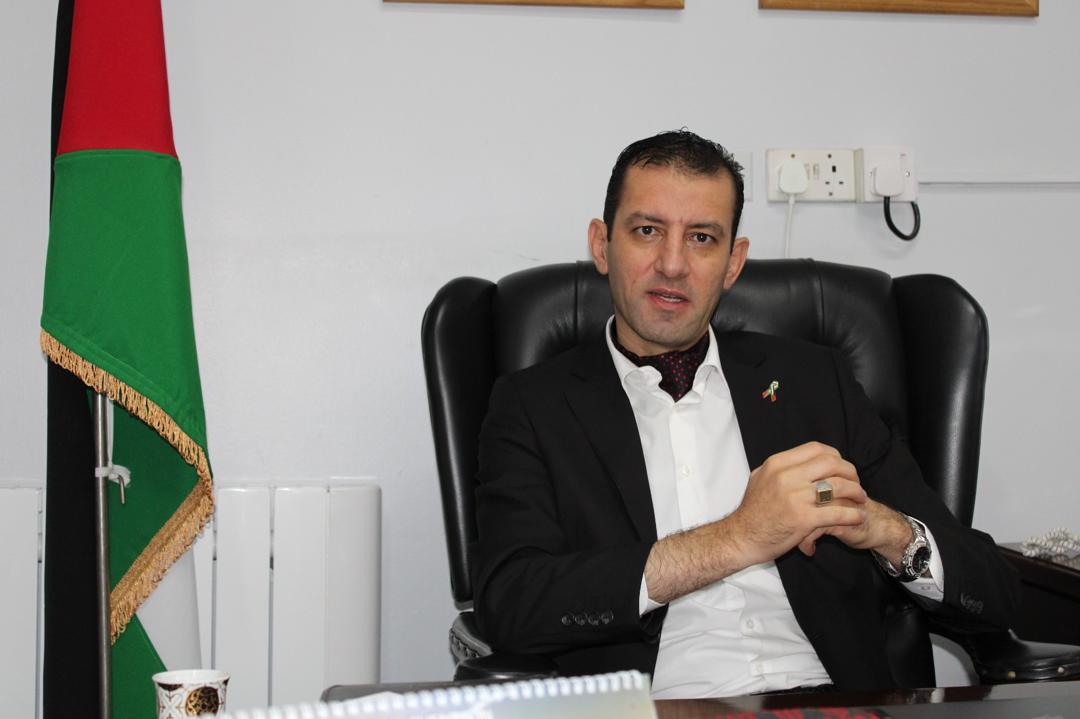

Liberation Mall to Start Operating in April By Nomagugu Konke The first phase of the Liberation mall is expected to Operating on the 18th of April this year. The mall, which is part of the projects done at the Museum of African Liberation, is being built through a partnership between National Social Security Authority and Institute of African Knowledge. Speaking during a media of the Museum of African Liberation this week, INSTAK CEO Ambassador Kwame Muzawazi said the structures of the fist phase of the mall, which is a retail market, have been completed. "It will be the biggest retail market in the country, those who typically shop in western Harare will now come to this mall. The structure itself is complete; we are waiting for the operator to move in and add the finishing touches. As part of Phase 1, we have completed the Redan filling station, which is already operating and contributing to the construction of the museum. Nando's is also finished and trading, similarly contributing to the museum's construction. We hope to open Phase 1 on April 18th," said Ambassador Muzawazi. The construction of the Liberation Museum is advancing as the Zimbabwean section of the museum is currently at 80 percent whilst the rest of the African Liberation museum is at 25 percent. “We are expecting to officially open the Zimbabwean part of the museum by the end of this year” Muzawazi said. Donations for the museum, particularly from liberation heroes, have already started arriving. Among the artifacts are two cars from the family of former President Robert Mugabe, which he used before his presidency. The museum also displays the military uniform worn by the late Comrade Josiah Magama Tongogara on the day he died in the car accident, as well as the pistol he used.

The tourism sector is a vital cog in economic development By Allan Mbotshwa The 2025 Zimbabwe National Budget places considerable emphasis on revitalizing the tourism sector, recognizing its critical role in the nation’s economic recovery, especially amid the challenges posed by climate change. “As the agriculture sector grapples with the adverse effects of climate variability—such as droughts, changing rainfall patterns, and increased pest infestations—tourism has emerged as a vital alternative for economic sustainability and community resilience,” said Minister Rwodzi, during the launch of the Domestic Tourism Launch initiative. The financial impact of tourism in Zimbabwe has been significant. In 2019, the sector contributed approximately $1.5 billion to the economy, employing over 400,000 individuals directly and indirectly. However, the COVID-19 pandemic drastically impacted tourism, with revenues plummeting by nearly 70% in 2020. As the economy began to reopen, tourism revenues recovered to around $1 billion in 2021, rebounding to approximately $1.3 billion in 2022. Projections for 2024 suggest that revenues could exceed $1.6 billion as international travel resumes and visitor numbers increase. Zimbabwe's diverse natural landscapes, rich wildlife, and cultural heritage make it a prime destination for international travellers. The tourism industry not only generates significant revenue through visitor spending but also creates employment opportunities and supports local communities. “As the agriculture industry is facing severe disruptions, strengthening the tourism sector can provide an essential economic buffer, diversifying income streams for those who traditionally rely on farming.” Investing in tourism infrastructure and promoting eco-friendly tourism initiatives are critical steps highlighted in the national budget. By focusing on sustainable practices, Zimbabwe can attract environmentally conscious travellers who value conservation and responsible tourism,” said Mr Kennedy Mawire. This approach not only helps protect natural resources but also enhances the country’s appeal as a travel destination. Moreover, the tourism sector has the potential to raise awareness about the impacts of climate change, fostering a culture of sustainability and environmental stewardship. Through partnerships with local communities, tourism can promote conservation efforts, ensuring that both the land and its people thrive despite agricultural challenges. In conclusion, as climate change continues to impact agriculture in Zimbabwe, the tourism sector stands as a beacon of hope for economic diversification and resilience. By embracing sustainable tourism, Zimbabwe can harness its unique assets while mitigating the adverse effects of climate change, ultimately contributing to a more stable and prosperous future for its citizens.
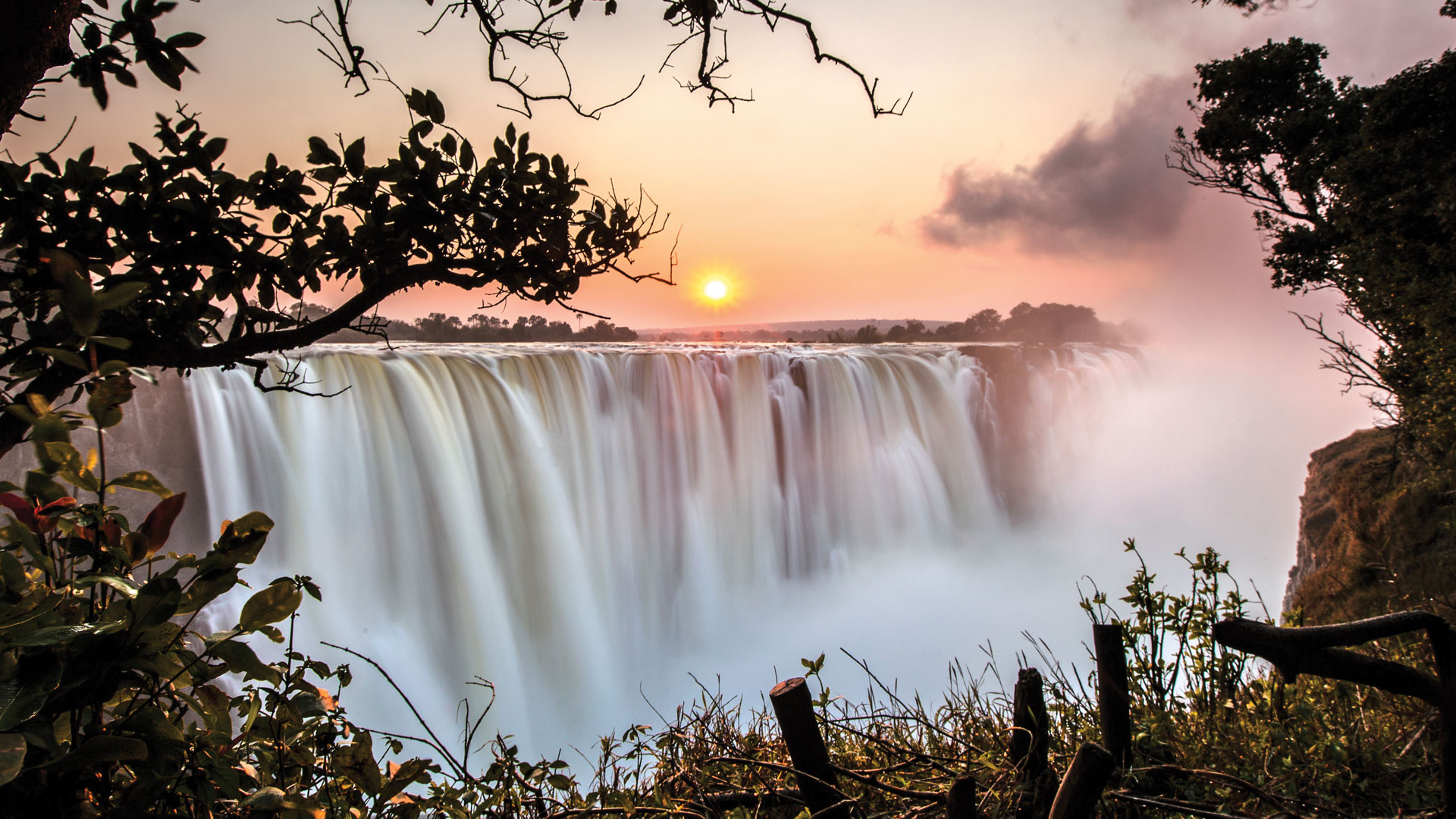
Tourism: A cornerstone of Zimbabwe's economy By Allan Mbotshwa Tourism has emerged as a vital pillar of Zimbabwe's economy, contributing significantly to GDP, foreign exchange earnings, and employment generation. The country boasts a rich tapestry of natural wonders, historical sites, and cultural experiences that attract visitors from around the globe. One of Zimbabwe's most iconic attractions is Victoria Falls, a UNESCO World Heritage Site renowned for its awe-inspiring beauty and thrilling adventure activities. Other natural treasures include Hwange National Park, home to diverse wildlife, and the Great Zimbabwe National Monument, a testament to the country's ancient civilization. Beyond its natural wonders, Zimbabwe offers a vibrant cultural scene, with traditional dances, music, and crafts showcasing the country's diverse heritage. The warm hospitality of its people further enhances the visitor experience. The tourism sector plays a crucial role in creating em
Stanly House, Cnr First & Jason Moyo, Harare
admin@thebusinessconnect.com
+263 719 534 907
/ +263 777 534 907
© The Business Connect. All Rights Reserved. Designed by Megabits Tech