
Zimbabwe, and Zambia unite for sustainable energy future By Nomagugu Konke Zimbabwe's Minister of Energy and Power Development, Edgar Moyo, emphasized the urgent need for sustainable energy solutions. Zimbabwe and Zambia launched the inaugural Zimbabwe-Zambia Energy Projects Summit on November 18, 2024. "Speaking at the Zim-Zam Energy Projects Summit held this week in Victoria Falls, Minister Moyo said the vision to ensure universal access to modern, reliable, and affordable energy services, while promoting economic growth, social development, and environmental sustainability is clearer now. Moyo highlighted the potential of the Zambezi River, shared by both countries, for power generation. "We can use the same water to generate power on multiple points along the river's length and thus fully utilise the hydropower resource," he said. Zambia's Energy Minister, Honourable Makozo Chikote, echoed the need for innovative solutions. "The time has come for us to embrace innovation

Breaking News: Bhello main branch goes up in flames By Staff Reporter Popular fast food outlet, Bhello City Foods has been gutted by fire, and the complex in Julius Nyerere Way has been shut down to assess the extent of the damage caused by the fire. Various shops located within the complex have been shut down due to this development No official comment has been released as yet, as all resources are busy assessing how much damage has been dealt and if all flames have been properly extinguished. More details to follow!
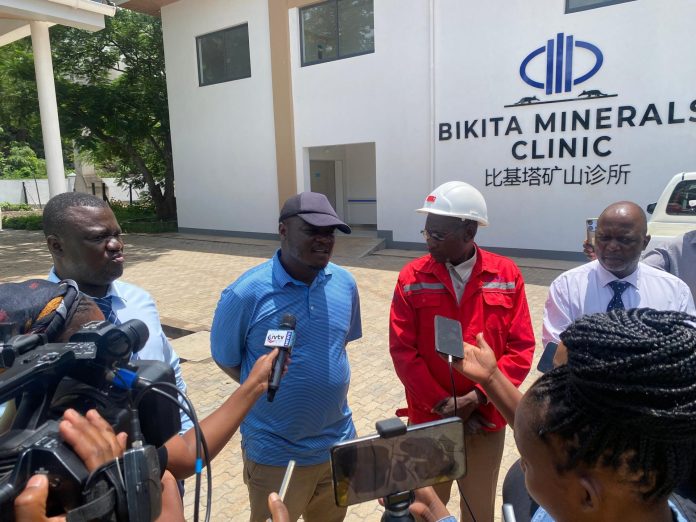
By Senior Reporter Sino Mine-run Bikita Minerals has constructed a state-of-the-art clinic worth US$1 million to benefit workers and the community, as part of its corporate social responsibility initiative. Speaking to the Business Connect this week, Collen Nikisi, the Public Relations and Corporate Social Responsibility Officer at Bikita Minerals, explained that the project was launched after realizing the old clinic could no longer meet current demands. “We invested over US$1 million in the construction and procurement of equipment for the clinic,” Nikisi said. The clinic features two sections, including a double-storey building with 16 rooms. This section houses an X-ray control room, a spirometry room, audiometry facilities, cardiovascular screening, a vision screener, an operating theatre, consultation rooms, observation areas, private wards, a conference room, doctors’ offices, and a nurses' room. The other section, which is single-storey, includes a casualty ward, male and female wards with six beds, a labor ward, a consultation room, a treatment room, a dispensary, and a laundry facility. “The mine has been investing in various environmental and social governance initiatives in the community, including education, drilling 33 boreholes for health initiatives, road rehabilitation, power generation, and empowerment through Chief Marozva Community Funds,” Nikisi added. Bikita Minerals is the largest lithium mining company in Zimbabwe, currently operating at 95% capacity utilization. However, the company has faced challenges, including depressed lithium prices on the international market, which have hindered some intended projects. Nikisi emphasized the company's commitment to establishing a US$500 million smelting plant over the next four years. “The smelting plant will add further value to our lithium beyond the current beneficiation process. We have submitted our beneficiation plans for the smelter to the Ministry of Mines and Mining Development and are currently working on the feasibility studies,” he said. Nikisi also noted that the clinic project was wholly funded by Bikita Minerals, benefiting its 1,078 employees as well as around 2,500 local residents and contractors who will have access to its services. Bikita Minerals has completed the installation of a 112 km power line and transmission infrastructure, providing a dedicated 90 MW of power to Bikita and allowing surplus power to benefit the community..

ZB Financial Holdings reports strong Q3 profit By Allan Mbotshwa ZB Financial Holdings has reported its financial results for the third quarter ending September 30, 2024, showcasing a profit after tax of ZWG1.224 billion for the first nine months of the year. This solid performance can be largely attributed to the group’s stringent cost discipline and resilient balance sheet. “Year-to-date total income amounted to ZWG1.83 billion; however, the third quarter saw limited income growth compared to the previous quarter as a result of a slowdown in fair value credits and foreign exchange gains, coupled with challenging business conditions overall,” said Mr Tinashe Masiiwa, the company secretary. The group recorded net interest income of ZWG282.540 million, driven by improved net interest margins, alongside commission and fees totalling ZWG576.502 million, fuelled by increased electronic banking activities and gross insurance premiums reaching ZWG411.619 million due to heightened demand for funeral cover products. Operating costs stood at ZWG1.059 billion, resulting in a cost-to-income ratio of 57%, a testament to the group’s commitment to effective cost management amid inflationary pressures. “The group’s customer base continued to expand significantly, with a deposit balance of ZWG5.073 billion, reflecting a remarkable 73% increase since December 2023,” he added. Additionally, insurance liabilities grew 15%, reaching ZWG497 million, driven by strong customer retention strategies and the introduction of customer-centric products. “Total assets surged by 44% to ZWG12.638 billion, primarily due to growth in earning assets, which increased from ZWG6.970 billion to ZWG10.401 billion since December 2023. Nevertheless, the third quarter presented significant challenges, as the Zimbabwean dollar depreciated by 45% against the US dollar, and tightening monetary policies implemented by authorities affected income generation capacity,” he said. As a result of these headwinds, ZB Financial Holdings will not declare dividends for this quarter, opting for a conservative approach amid ongoing economic uncertainty. “Looking ahead, the Group remains committed to its digitalization initiatives and effective cost management as it navigates the complexities of the current operating environment,” said Mr Masiiwa.
AFDIS records growth amidst economic challenges By Business Reporter African Distillers Limited, a leading beverage company in Zimbabwe, has released its financial report for the half year ended 30 September 2024, highlighting a 7% increase in revenue to US$26.2 million. The growth was primarily driven by increased volume, particularly in the ready-to-drink (RTD) and wine segments. "Despite the challenging economic environment, we are pleased with the company’s performance," said Mr. Matlhogonolo Valela, Chairman of AFDIS. "The 11% volume growth, especially in RTD and wine, is a testament to our strategic focus on consumer preferences and innovative product offerings." However, the company faced headwinds from thinner margins due to price reductions to counter competition from illegal imports and exchange rate volatility. Additionally, a tax dispute with ZIMRA, which could have a significant impact on the company's operations, remains unresolved. "The tax dispute with ZIMRA is a major concern for us," Valela added. "We are confident in our position and are actively pursuing legal remedies to resolve the matter." Looking ahead, AFDIS remains optimistic about the future, with the anticipated recovery in the Zimbabwean economy and the government's efforts to stabilize the local currency. The company will continue to prioritize product innovation, cost efficiency, and market expansion to drive sustainable growth. To reward shareholders, the board has recommended an interim dividend of US$0.0030 per share.
Full Truck Load spurs revenue growth for Unifreight By Business Reporter Unifreight Africa Limited has reported solid financial performance for the third quarter of 2024, despite a challenging operating environment. The company's total revenue increased by 9% year-on-year, driven by growth in the Full Truck Load (FTL) and cross-border operations segments. The FTL segment, now representing 22% of the revenue mix, experienced significant expansion. Cross-border operations, contributing 23% of total revenue, continue to be a major growth driver. While the LTL segment maintained a 48% share, it faced challenges due to market competition and currency fluctuations. Unifreight Africa's strategic focus on high-margin business opportunities and cost control measures enabled the company to achieve a net profit margin of 3.6%. The company also witnessed a 14% increase in swift volumes to 111,616 tons, driven by strong utilization and pricing strategies. The 4PL Brokerage division, a recent addition to the company's portfolio, has already made a significant impact, securing new high-volume contracts. The sales team's intensive efforts led to the acquisition of new clients across various sectors, further bolstering the company's market position. Unifreight Africa's commitment to fleet expansion and fuel efficiency has also contributed to its strong performance. The company has purchased additional trucks and implemented advanced fuel monitoring and tracking systems to reduce costs and improve operational efficiency. Despite the challenging market conditions, Unifreight Africa's strong operational performance, strategic focus, and innovative approach have enabled the company to deliver solid results and maintain its position as a leading logistics provider in the region.

SDF exceeds targets, Minister announces By Nomagugu Konke The Standards Development Fund (SDF) has surpassed revenue collection targets and is poised for further growth in 2025, Minister of Industry and Commerce Nqobizitha Mangaliso Ndlovu announced at the Standards Development Fund workshop. The fund has also completed 98% of its 160KVA solar project and begun disbursing grants to beneficiaries. “I’m excited to report that SDF has achieved notable milestones, including surpassing revenue collection targets, completing 98% of the 160KVA solar project, and disbursing grants to beneficiaries aligned with Vision 2030. “Our priorities for 2025 include increasing revenue collection capacity strengthening, full grant disbursements, and raising awareness,” said Minister Ndlovu. Established under the Standards Development Fund Act [Chapter 14:19], the SDF collects a 0.5% levy on employers' wage bills to support the development and promotion of standardization for commodities and services. Current beneficiaries include the Standards Association of Zimbabwe (SAZ), Southern African Development Community Accreditation Services (SADCAS), the National Metrology Institute (NMI) under the Scientific and Industrial Research and Development Centre (SIRDC), the National Competitiveness Commission (NCC), the Trade Measures Department (TMD), and, beginning next year, the Consumer Protection Commission (CPC). Minister Ndlovu highlighted the SDF's critical role in bolstering local industries’ competitiveness. "By promoting standardization and quality control, we can increase the viability of our products and services in the global market," he said. Addressing concerns about substandard goods flooding the market, Minister Ndlovu spoke of the SDF's crucial role in supporting the CPC, TMD, and SAZ to combat this issue. "Standards are the backbone of our society, ensuring the safety and quality of products and services, facilitating international trade and improving the environment in which we live in. Standards boost business and economies. “Standards ensure that business operations are as efficient as possible, increase productivity and help companies access new markets, cut costs, through improved systems and processes, increase customer satisfaction, through improved safety, quality and processes and help companies access new markets, through ensuring the compatibility of products and services, therefore SDF financial support is very crucial,” he said. Acknowledging the challenges posed by currency volatility, the Minister revealed that his ministry has engaged the Ministry of Finance for permission to allow the SDF to procure capital equipment in hard currency. This measure aims to ensure beneficiaries can effectively execute their mandates.
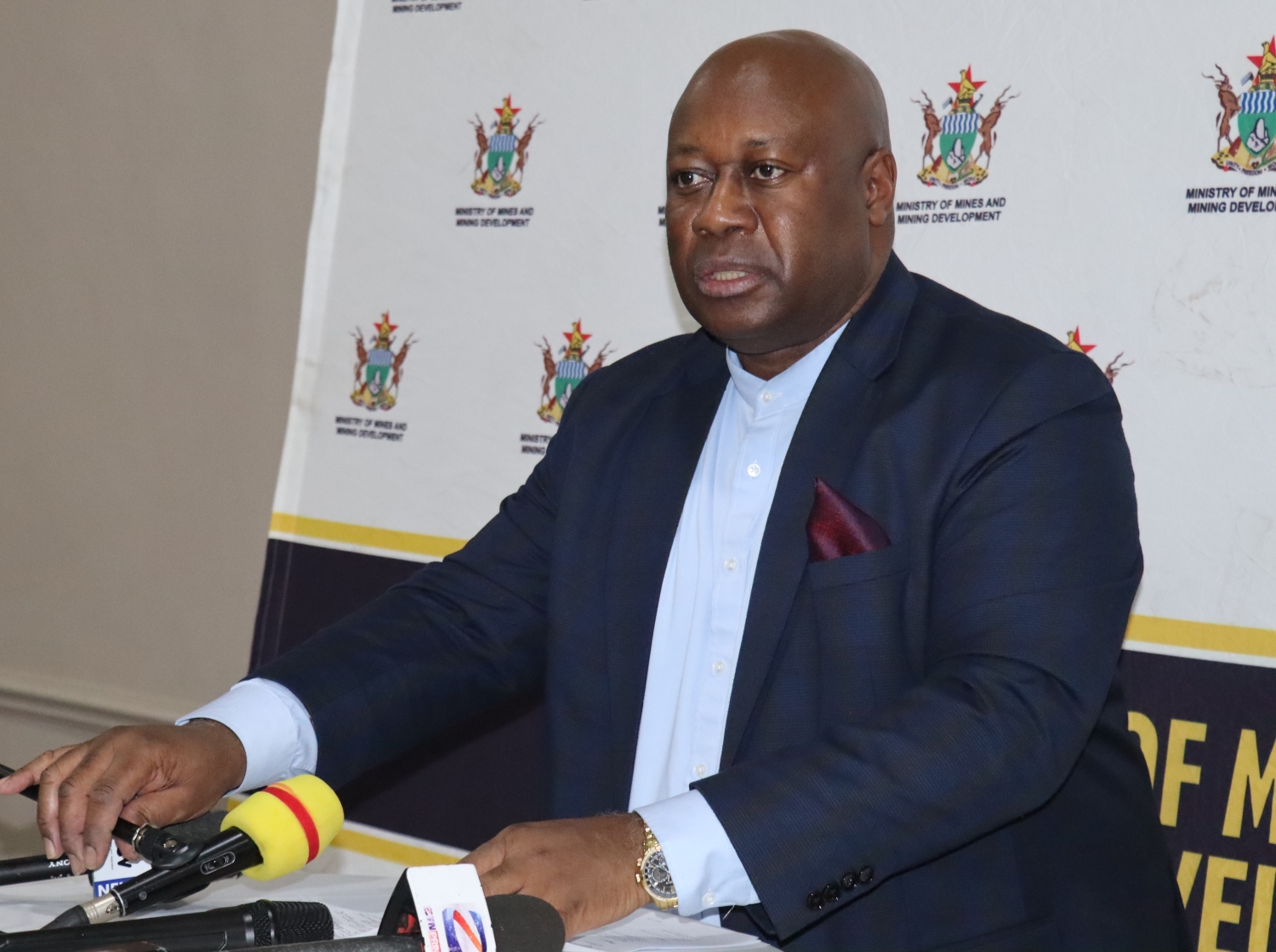
Mining sector aims to transform Zimbabwe’s economy By Mining Reporter The recent updates on various mining projects in Zimbabwe, presented by Minister of Mines and Mining Development, Honourable Winston Chitando, underline a transformative moment for the nation’s economy. With ambitious goals that span electricity generation, mineral production, and infrastructure development, these initiatives promise to significantly boost Zimbabwe’s economic landscape. One standout project is the Palm River Mines and Energy initiative, which encompasses a US$3.6 billion investment and aims to produce stainless steel, generate 1,000 megawatts of electricity, and manufacture one million tonnes each of high carbon ferrochrome and coke. This venture not only strengthens Zimbabwe’s industrial capabilities but also addresses critical energy deficits, providing a reliable power supply that is essential for both mining operations and broader economic activities. Additionally, the Zimbabwe Platinum Mines Expansion Programme, with a budget of US$1.8 billion, is poised to redefine the country's platinum production capacity. The planned investments include the development of a new concentrator plant and the construction of a major solar facility, which not only supports sustainability but also represents a shift towards diversifying energy sources. The strategic phasing of these projects, especially those enhancing value chain capacity, indicates a thoughtful approach to economic growth. Investment activity is already significant, with US$1.1 billion dedicated to these expansions so far. Improvements such as the upgrading of the Bimha Mine and the Mupani Mine are expected to enhance operational efficiency and output, which could lead to increased export revenues and job creation. Collectively, these projects mark a pivotal step toward diversifying Zimbabwe’s economy, reducing dependency on agricultural exports, and establishing a more resilient industrial base. As these initiatives unfold, they promise not only to elevate the mining sector but also to catalyze broader economic development, fostering an environment of growth, innovation, and sustainability for the nation.
ZimTrade Calls for Trade-Led Renaissance By Nomagugu Konke ZimTrade Chief Executive Officer, Allan T. Majuru has proclaimed a new era for Zimbabwean trade, urging the nation to leverage its rich heritage for global economic success. Speaking at the Grand Finale of the Eagle Nest, Mr Majuru said trade is the key to unlocking this potential. “As a nation, we are standing at the dawn of a new era, a time to reveal what used to be our hidden treasure and share it with the world,” he said. He also challenged the youth, stating, “You carry the burden of telling that which is rooted in the soul of Zimbabwe and through innovation, package it for global consumption." Mr. Majuru highlighted innovative Zimbabwean businesses already making their mark. He praised Ona Naturals for transforming the feso plant, once a nuisance to cattle herders, into a premium hair care ingredient. He envisioned a future with "Ona Naturals or Amadhoda Beard Care standing toe to toe with international brands such as Revlon.” He also celebrated Kings Leather, exporting high-quality leather goods, stating, “They call it exotic, but we call it heritage. This is proof that the market has been willing to pay a premium for our culture.” The CEO emphasized Zimbabwe's agricultural heritage, recounting his experience with "resurrection tea…sweetened by Honey from Golden Harvest," noting, "the sweetness of our natural honey comes from our natural heritage." He contrasted the wisdom of ancient agricultural practices with modern post-harvest losses, stating, “The ancestors…did not lose as much as we are losing (Vakachimaster Chigame ichi).” He expressed confidence in companies like Agri-rocket, believing they can bridge ancient innovation with modern technology for sustainable agriculture. Mr. Majuru shared an anecdote about a Dutch insect breeding facility utilizing African-originated integrated pest management techniques. He lamented, “If only we can dream big.” He also praised Legend Rock Arts & Crafts for their stone pendants, reminding the audience, "Zimbabwe is a house of stone." Mr. Majuru also invoked the legacy of Great Zimbabwe as a historical trade hub. "As long as the remnant of the ancient city stands…we will definitely witness a revival of Zimbabwe’s trade, leveraging centuries old but forward-looking competences through our heritage based export development programme,” he said.

NetOne introduces the Recharge and Win Christmas Promotion By Nomagugu Konke and Allan Mbotshwa The festive season is a time of joy, connection, and gratitude, and NetOne, Zimbabwe’s leading telecommunications provider, is ensuring its subscribers experience all three in abundance. With the launch of the NetOne Recharge and Win Christmas Promotion, the company ushers in a season of rewards and community impact, reaffirming its commitment to enhancing customer experiences while giving back to society. This groundbreaking promotion, which runs from December 1, 2024, to January 31, 2025, is designed to celebrate NetOne subscribers in an innovative and interactive way. It combines loyalty rewards with festive cheer, creating an unparalleled opportunity for customers to feel valued and appreciated. Group Chief Executive Officer Eng. Raphael Mushanawani encapsulated the essence of this initiative, stating: "At NetOne, our subscribers are more than customers—they are family. This promotion is a testament to our appreciation for their loyalty and a reflection of our commitment to bringing people together during this special season." A Dual Mechanic for Unmatched Engagement The Recharge and Win Christmas Promotion comprises two dynamic components, each tailored to maximize participation and excitement: Mechanic 1: Recharge and Win $20 Airtime This mechanic rewards subscribers with an opportunity to win airtime simply by recharging their accounts. • Eligibility: Subscribers must top up with at least $10 USD airtime within a seven-day cycle (Monday to Sunday). • Rewards: Each week, 100 lucky winners will receive $20 airtime, which they can use at their discretion. • Fair Play: Winners are selected through a randomized draw, ensuring an equal chance for all participants. To spread the festive spirit, individuals can only win once during the promotion. Mechanic 2: The Grab A Ticket Raffle For a more interactive experience, the Grab A Ticket Raffle introduces on-the-ground activations at high-traffic locations across NetOne’s five regions. • Participation: To enter, customers need to recharge at least $10 USD within the week of the raffle draw in their area. • Prizes: Solar panels, full solar kits, branded merchandise, and $20 airtime are up for grabs, with a maximum of 20 winners per raffle. • Excitement: Featuring an air-blown raffle machine, this mechanic infuses the promotion with a sense of thrill and exclusivity. Chief Commercial Officer Mr. Learnmore Musunda emphasized the strategic value of the promotion: "This initiative exemplifies our customer-first philosophy. It not only rewards loyalty but also encourages deeper engagement with our network, fostering a culture of connection and celebration." Beyond Business: A Commitment to Community NetOne’s celebration of Christmas extends beyond its subscribers. True to its ethos of creating meaningful societal impact, the company has infused the season with acts of generosity. Through its Corporate Social Responsibility (CSR) program, NetOne has brought smiles to underprivileged families by distributing essential groceries, clothing, and school supplies. These efforts ensure that even the most vulnerable members of society share in the festive cheer. Eng. Mushanawani reflected on this commitment, saying: "The spirit of Christmas is rooted in giving. At NetOne, we believe that by uplifting others, we enrich not only their lives but also our collective humanity. Our CSR initiatives embody our vision of impacting lives in a profound and sustainable way." A Season to Celebrate and Connect As Zimbabwe embraces the holiday season, NetOne invites everyone to join the festivities and partake in the rewards. The Recharge and Win Christmas Promotion is not merely a marketing initiative; it is a celebration of togetherness, loyalty, and community. Whether through the thrill of the Grab A Ticket Raffle or the convenience of winning airtime, the promotion guarantees a festive season to remember. Combined with its impactful CSR efforts, NetOne solidifies its role as a corporate leader that transcends business to touch lives meaningfully. Spread the word, recharge, and stand a chance to win extraordinary prizes this Christmas. Together, let us make this holiday season unforgettable. #MunhuWeseKuNetOne #YourDigitalSolutionsNetwork #RechargeAndWin
Zimbabwe’s 2025 National Budget Overview By Staff Reporter Zimbabwe's 2025 National Budget, themed "Building Resilience for Sustained Economic Transformation," outlines a strategic plan to navigate global economic uncertainties and domestic challenges. The global economy is projected to grow steadily, with Zimbabwe's economy expected to recover to 6% in 2025, driven by agriculture, electricity generation, and information technology. The government is committed to fiscal consolidation, aiming to efficiently allocate resources and manage debt. Revenue measures, such as tax compliance initiatives and adjustments to excise duties, will be implemented to strengthen government finances. The budget prioritizes several key areas, including the digital economy, youth empowerment, public sector reform, and social services. Encouraging the adoption of ICT and digital technologies, creating opportunities for young people, strengthening public institutions, and enhancing healthcare, education, and social protection programs are central to the government's vision. The government will invest in agriculture and mining, focusing on improving productivity and export earnings. Significant infrastructure projects, including irrigation and energy initiatives, are planned to support economic growth. The budget promotes research and development, particularly in AI and ICT, to foster innovation and drive economic transformation. Public-private partnerships will be leveraged to attract private-sector investment and expertise. By focusing on these key areas, Zimbabwe aims to create a resilient economy, attract foreign investment, boost exports, and improve the overall standard of living for its citizens.
Government intensifies gold mobilization efforts By Staff Reporter The Zimbabwean government, through the Ministry of Mines and Mining Development, launched a second Gold Mobilization Exercise for 2024 to boost gold production and curb illicit activities. Capitalizing on the surging global demand for gold, driven by economic and geopolitical uncertainties, the government aims to maximize the country's gold resources to drive economic growth and improve the livelihoods of Zimbabweans. To achieve this goal, the government is implementing several strategies. Firstly, it is strengthening regulatory frameworks to prevent illegal mining and smuggling. Secondly, the government is promoting the formalization of small-scale mining operations to ensure compliance and facilitate access to support services. Thirdly, it is enhancing border security to curb gold smuggling. The Gold Mobilization Exercise has already yielded positive results, with increased gold deliveries to Fidelity Gold Re
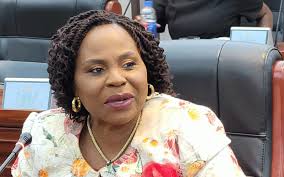
Minister Mutsvangwa Urges SMEDCO to Expand Support for Zimbabwean MSMEs By Staff Reporter The Small and Medium Enterprises Development Corporation (SMEDCO) is being called upon to enhance its support for Zimbabwean MSMEs, focusing on resource mobilization, training, and access to finance. Speaking at a SMEDCO event, the Minister of Women Affairs, Community, Small and Medium Enterprises Development, Hon. Senator Monica Mutsvangwa, acknowledged the corporation's 2023 achievements, including the launch of a new head office, securing funding from financial institutions, implementing a new loan management system, and developing MSME workspaces. "As the Minister responsible for the administration of the Small and Medium Enterprises Act [Chapter 24:12], it really gives me pride to witness these great strides by SMEDCO," Minister Mutsvangwa said. However, the Minister urged SMEDCO to prioritize several key areas in the coming year. Given limited government funding, "I implore SMEDCO to deepen efforts in mobilizing financial resources from local and international finance institutions," Minister Mutsvangwa stated, offering the Ministry's support in approaching financiers. Access to concessionary loans is seen as crucial for on-lending to MSMEs at favorable terms. The Minister also emphasized the need for an MSME Equipment Support Scheme to address the challenges highlighted in the State of Manufacturing MSMEs Zimbabwe 2021 Survey Report. The report revealed that a significant percentage of MSMEs rely on outdated manual equipment, hindering their productivity and competitiveness. "SMEDCO should establish an MSME Equipment Support Scheme to facilitate provision of modern small scale equipment to growth oriented manufacturing MSMEs in all the provinces," she urged. Furthermore, Minister Mutsvangwa called for intensified business management training programs, including mentorship and advisory services. "SMEDCO should double its efforts of business management training programs to develop essential skills in areas like financial literacy, record keeping, marketing, and strategic planning," she stated. Given the opportunities presented by the African Continental Free Trade Area (AfCFTA), the Minister urged SMEDCO to develop export-oriented financing schemes. "SMEDCO should develop export oriented financing schemes of MSMEs in the export value chain," she stated, noting that access to finance, market knowledge, and management skills are key barriers to MSME participation in regional trade. Minister Mutsvangwa also emphasized the importance of good corporate governance, urging SMEDCO to hold Annual General Meetings (AGMs) to ensure transparency and accountability. "It is my hope that going forward, in each calendar year the SMEDCO Board will convene an Annual General Meeting," she stated, highlighting the role of AGMs in reviewing performance and fostering development. She concluded by underscoring the vital role of a robust MSME sector in achieving Zimbabwe's national vision.
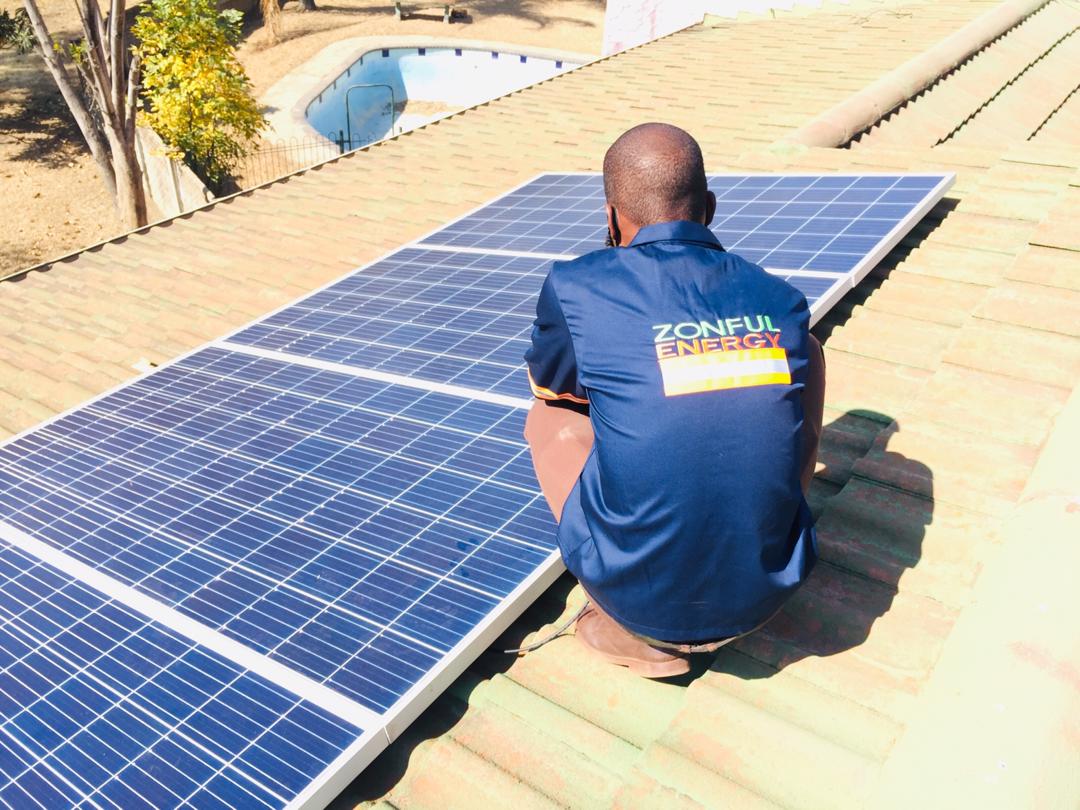
Zonful Energy – Hope for Renewable Energy in Zimbabwe By Allan Mbotshwa Zimbabwe's energy crisis has cast a long shadow over development; however, a ray of hope is emerging in the form of Zonful Energy. This pioneering company is harnessing the power of solar technology to provide affordable and reliable energy solutions, particularly in rural areas that have been historically marginalized. Zonful Energy's commitment to off-grid communities is a testament to its dedication to sustainable development. By offering solar systems that are both cost-effective and easy to install, the company is empowering individuals and businesses to break free from the constraints of unreliable grid power. The benefits of switching to renewable energy are manifold. Not only does it reduce reliance on fossil fuels and contribute to environmental sustainability, but it also provides a more stable and predictable energy supply. For Zimbabweans living in remote areas, access to clean energy can transform their lives by enabling them to pursue education, improve their livelihoods, and participate more fully in the economic and social fabric of the country. As Zimbabwe continues to grapple with energy challenges, Zonful Energy is leading the way towards a more sustainable and equitable future. By investing in renewable energy, the country can not only address its immediate energy needs but also build a more resilient and prosperous nation for generations to come.
Avion making strides in the Electronic Industry By Allan Mbotshwa Avion Investments Private (Ltd) a locally owned electronic mobile company has rapidly gained traction in Zimbabwe's electronics market, capturing a significant portion of the local electronic brands market. Their innovative approach and commitment to customer satisfaction have propelled them to the forefront of the industry. Avion is showcasing a remarkable selection of smartphones and notebooks, each designed with cutting-edge technology and features. From powerful processors to sleek designs, Avion's devices offer a compelling combination of performance and aesthetics. One visitor to the Avion, who chose to remain anonymous, shared their positive experience with an Avion notebook. "The notebook has been a perfect fit for both my home and work environment," they said. "Its lightweight design and powerful core i7 processor have made my tasks much easier to accomplish." Avion's products are not only technologically advanced but also accessible. They offer flexible payment options, including lay-by plans with a 25% initial deposit for the general public and a twelve-month allowance for civil servants. This customer-centric approach has contributed to their growing popularity. One of the standout products in Avion's lineup is the A10 Pro. With its premium metal and glass design, powerful specifications, and impressive camera capabilities, the A10 Pro has garnered significant attention. It features 4GB RAM, 64GB internal storage, dual SIM functionality, a 3300mAh battery, a fingerprint scanner, and dual rear and front cameras. Avion's success can be attributed to its strategic approach to the market. They have focused on addressing the key concerns of their target audience, such as affordability, battery life, and storage capacity. By consistently delivering products that meet these needs, Avion has established itself as a trusted and reliable brand in Zimbabwe.
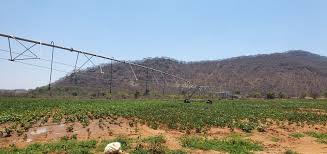
By Senior Reporter The Romsley Irrigation Scheme in Makoni, Manicaland Province, is significantly changing the lives of local farmers, turning them from subsistence to commercial producers. During a recent visit to the irrigation site, villagers expressed how the scheme has allowed for crop diversification and created job opportunities. Barnabas Kusotera from Village 1E Romsley said, “I am grateful for this irrigation scheme because it changed our lives. We used to struggle for water and walk many kilometers during the dry seasons to fetch it. Now, we have planted maize and beans. “We haven’t harvested the maize yet, but it’s ready. The scheme has provided part-time jobs, allowing us to earn money to support our families. My wish is that all 500 hectares we have should be put to use.” Whisper Kurauone Makani, secretary for the irrigation management committee at Romsley, added, “According to our agreement with our joint venture partner, Tenza Systems, we receive 10 percent of the gross. When we harvest and sell our products, 10 percent is our benefit as farmers. “Besides the land operated by our joint venture, we have set aside 6 hectares for ourselves. This allows us to learn and practice what we’ve been taught about growing different crops.” He said. The Romsley Irrigation Scheme is proving to be a vital resource for the community, empowering farmers and enhancing food security in the region. The rainfall in Makoni South is too erratic for dry land farming, highlighting the need for irrigation. The facility features an 18-kilometer canal that draws water from the Mucheke River to supply 24 center pivots. The scheme protects farmers from droughts and mid-season dry spells, allowing them to intensify production throughout the year.
By Daniel Kachere Zimbabwe recorded a fatality at a major construction site following the death of a worker after a crane which was being dismantled collapsed at the Mbudzi Interchange in Harare yesterday. Mbudzi Interchange which is being constructed at a cost of US$88 million, will be renamed Trabablas Interchange when complete in honour of President Mnangagwa’s wartime nickname. Confirmation from Tefoma Construction (Pvt) Ltd through a statement reads: "The incident occurred during the dismantling of a static tower crane by Manzlink (Pvt) Ltd (Manzlink), our contracted rigging specialist firm. The mechanical failure resulted in the collapse of both the static tower crane and the mobile crane being used for the de-erection process." The name of the deceased who was an employee of Manzlink, a specialist subcontracted company at the site is yet to be published. However, full investigations surrounding the incident have begun with relevant authorities. The incident is likely to spark growing concerns surrounding occupational safety and health at the workplace in Zimbabwe. During the first quarter of 2024 (January-April), workplace incident figures from the National Social Security Authority (NSSA) indicated that there were 846 injuries and 9 fatalities across sectors. As of September 2024, NSSA had reported 76 workplace fatalities and 4,912 injuries an increase from 2023, when the NSSA reported 60 fatalities and 4,334 injuries. Meanwhile, Tefoma and Manzlink have committed to continue to working with investigation authorities together with the deceased's family after the tragic incident. Prior to the unfortunate development there had not been any incidents that claimed any life since construction work began at the site in the year 2022.
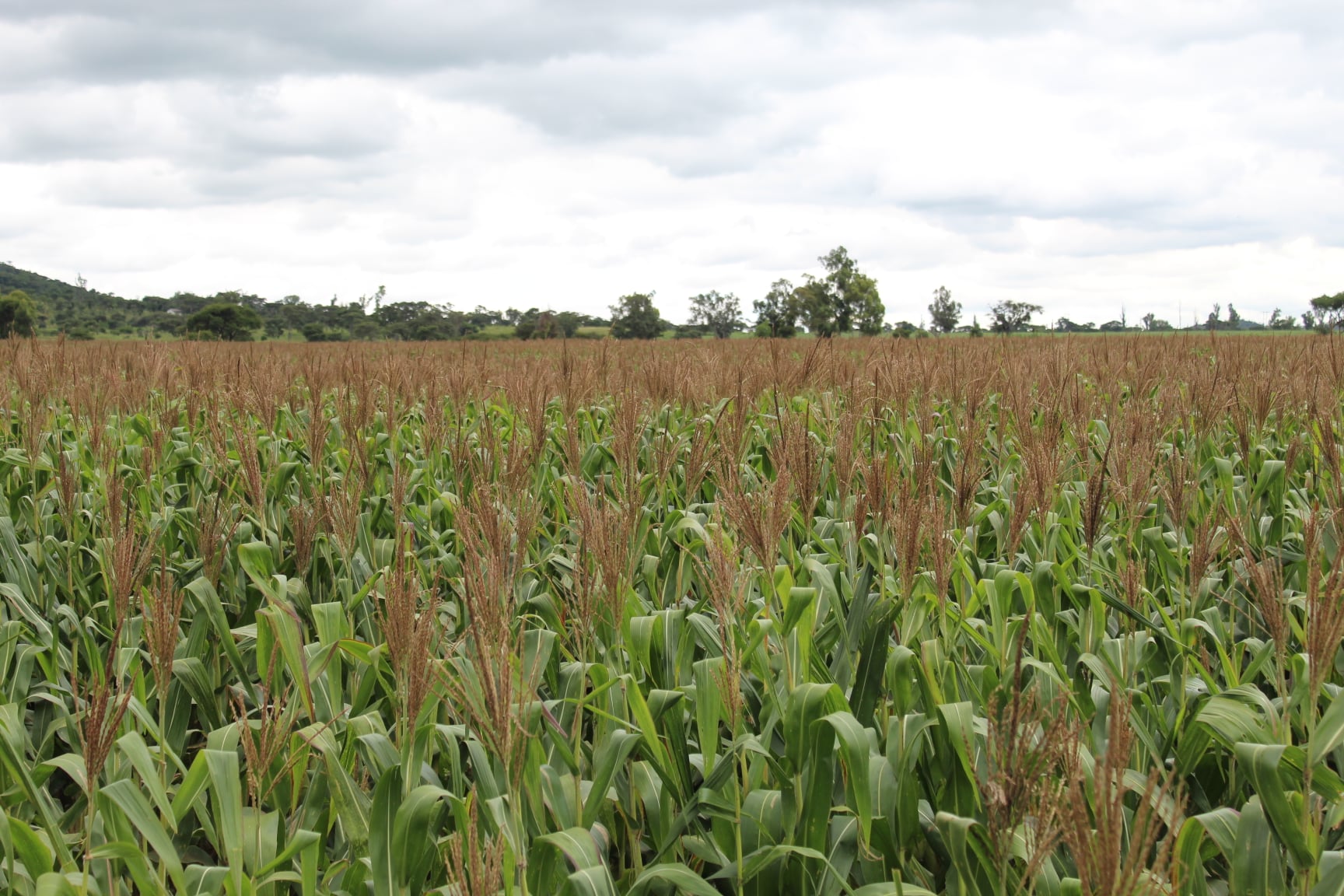
Minister Masuka on Zimbabwe's Food Security By Allan Mbotshwa Food security remains a pressing issue in Zimbabwe, as highlighted by Minister of Lands, Agriculture, Fisheries, Water and Rural Development, Dr. Anxious Jongwe Masuka. The recent Cabinet update on the Food Security Outlook to March 2025 emphasizes the critical need for robust strategies to ensure that all Zimbabweans have access to sufficient, safe, and nutritious food. “As of now, Zimbabwe’s Strategic Grain Reserve holds a total of 245,052 metric tonnes (MT) of essential grains, including wheat and maize. This stock is crucial, especially with projected consumption through various programs—such as the Food Deficit Mitigation Programme and the School Feeding Programme—expected to reach 241,089 MT between December 2024 and March 2025,” said Minister Masuka. The balance between supply and demand is tight, underscoring the importance of effective management and distribution of these resources. A notable success in the agricultural sector is the record wheat harvest of 563,961 MT, surpassing the previous year's 465,548 MT. This achievement reflects the government's commitment to enhancing food production capabilities, particularly in response to ongoing drought challenges. The private sector is also playing a vital role by importing stock feed, which is essential for maintaining livestock health and productivity. “The 2024/2025 Summer Season Plan aims to significantly boost cereal production to 3,274,200 MT, a substantial increase from the 744,271 MT of the previous season. The ambitious goal of raising the overall production volumes of major crops by 347%—from 915,000 MT to over 4 million MT—demonstrates a proactive approach to food security. The planting of over 746,238 hectares of maize under various support programs indicates a strong foundation for achieving these targets,” he added. However, challenges remain, particularly concerning the current dry spell. The government is urging farmers to follow agronomic advice from AGRITEX to navigate these conditions effectively. Encouragingly, predictions of normal to above-normal rainfall offer hope for improved agricultural outcomes. In conclusion, food security in Zimbabwe is a multifaceted issue that requires coordinated efforts across government, private sector, and community levels. As Minister Masuka emphasizes, ensuring a stable food supply is vital for the nation’s health and well-being and economic resilience.
Govt intensifies fight against alluvial mining By Allan Mbotshwa In a significant move to combat environmental degradation, Zimbabwe has enacted Statutory Instrument 188 of 2024, aimed at banning alluvial mining practices that have severely damaged river ecosystems. This legislation is a response to the pressing need for environmental protection, reflecting the government's commitment to restoring the natural balance disrupted by destructive mining activities. The statutory instrument establishes an outright ban on riverbed mining, supported by an Inter-Ministerial Committee led by the Minister of Lands, Agriculture, Fisheries, Water and Rural Development, Dr. Anxious Jongwe Masuka. “This comprehensive approach includes conducting surveys to assess the current status of river ecosystems and enforcing more stringent penalties for violations. Stiffer penalties, including the seizure of minerals, machinery, and vehicles, underscore the government's determination to deter illegal mining activities. Since the implementation of the ban, authorities have made 344 arrests, signalling robust enforcement,” he said. The environmental benefits of this initiative are manifold. Alluvial mining often leads to habitat destruction, siltation, and pollution, significantly compromising biodiversity and water quality. “By prohibiting these practices, the statutory instrument aims to rehabilitate degraded river systems, promoting healthier ecosystems and safeguarding water resources essential for agriculture and community livelihoods,” he added. Furthermore, the successful enforcement of this law can enhance public awareness about sustainable practices and the importance of protecting natural resources. Engaging local communities in rehabilitation efforts not only empowers them but also fosters a sense of stewardship over their environment. In conclusion, Statutory Instrument 188 of 2024 represents a crucial step towards environmental restoration in Zimbabwe. By prioritizing ecological health over short-term gains, the government can pave the way for sustainable development that supports both the economy and the environment, ultimately ensuring a prosperous future for generations to come.

Zimbabwe and EU Strengthen Partnership Dialogue By Nomagugu Konke Zimbabwe and the European Union (EU) held the Partnership Dialogue, reaffirming their commitment to a strengthened relationship based on mutual respect and shared goals. The dialogue, described as a platform for “frank and constructive exchanges,” aims to deepen cooperation across various sectors. Permanent Secretary for Foreign Affairs and International Trade, Ambassador Albert Chimbindi, while delivering his remarks, emphasized the importance of shared values and mutual respect underpinning the partnership. “The very idea of a partnership dialogue denotes common interests, shared values, mutual respect and equality, these principles should underpin our engagement,” he said. He expressed gratitude for EU support through the Multi-Annual Indicative Programme (MAIP) and the Neighbourhood Development and International Co-operation (NDICI) Framework and looked forward to further collaboration under the Global Gateway Initiative. “Zimbabwe engages with the rest of the world as an equal partner, we have something to offer which others including the EU, desire,” he said. He also noted Zimbabwe's positive trade balance under the EU-ESA Free Trade Agreement. EU Ambassador Jobst Von Kirchman highlighted the importance of mutual respect and working together. “This dialogue provides an essential platform for frank and constructive exchanges on matters of shared interest, while also addressing issues where our views may differ,” “An open and continuous dialogue enables us to foster mutual understanding and engagement, which is critical to a lasting partnership,” he said. Ambassador Von Kirchman highlighted the EU’s commitment to increased trade and investment in Zimbabwe, emphasizing the importance of good governance, transparency, and accountability. He also pointed to the potential for further collaboration on the Structured Dialogue Platform on Arrears Clearance and Debt Resolution. “We are not only here to exchange views but to explore concrete avenues to deepen cooperation for the benefit of Zimbabwe and the European Union,” he stated.
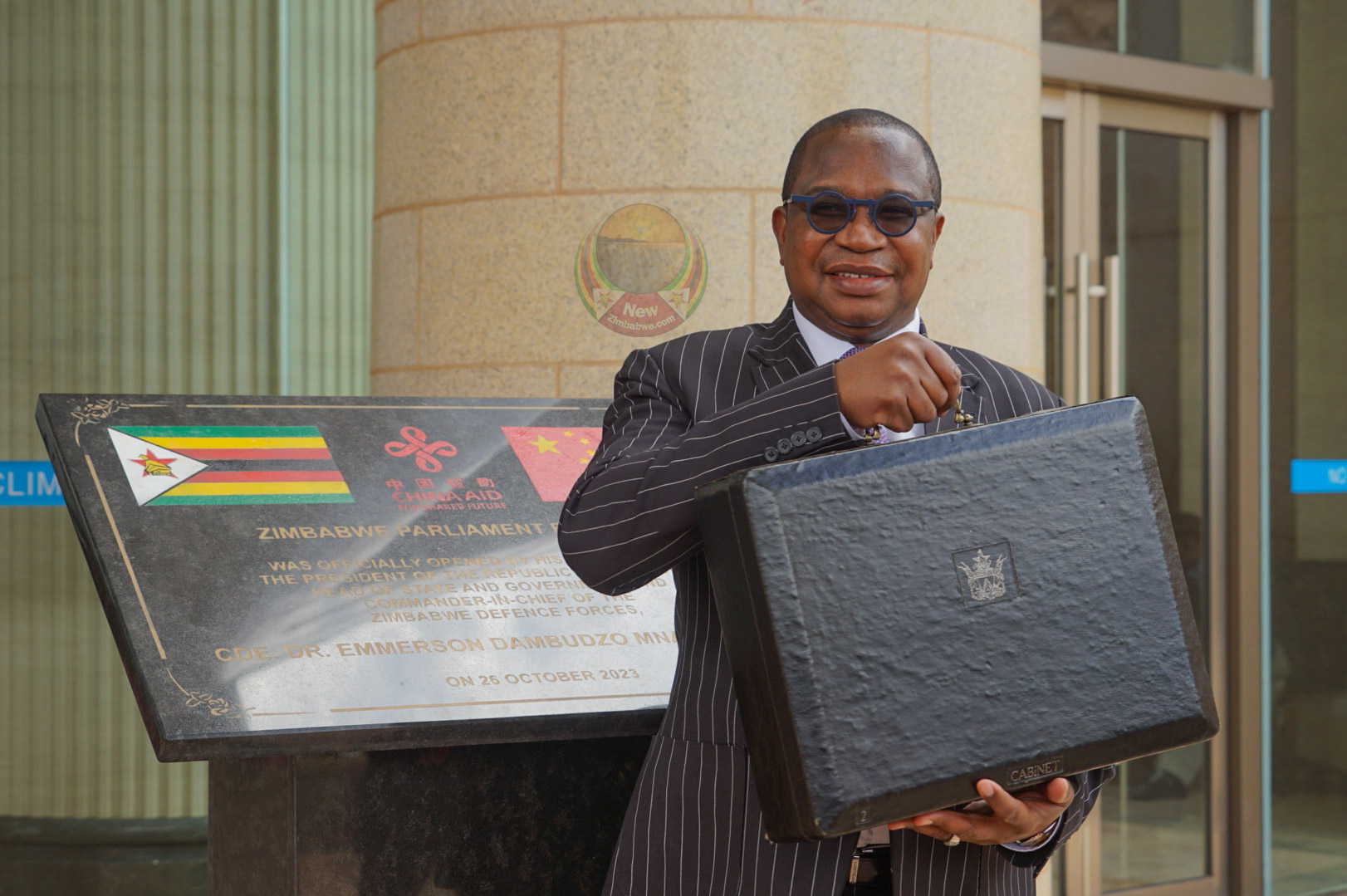
New Tax measures aimed at increasing revenue By Allan Mbotshwa As of November 2024, Zimbabwe’s government has presented its 2025 National Budget, unveiling several new tax measures aimed at generating revenue and addressing ongoing economic challenges. Among the most notable changes are the introduction of higher income tax brackets, an increase in corporate tax rates, and the expansion of the value-added tax (VAT) to include more goods and services. These tax adjustments hold significant implications for individual taxpayers and businesses alike. For individuals, the hike in income tax rates, especially for those in the middle and upper-income brackets, could lead to reduced disposable income, impacting their ability to spend and save. “This might strain household budgets further, as increased tax burdens could coincide with rising living costs driven by inflation, affecting their standard of living,” said Tatenda Tauya, a local economic analyst. For businesses, the increased corporate tax rates could challenge profitability, particularly for small and medium-sized enterprises (SMEs) that are already grappling with economic uncertainty. Higher taxes may force companies to either pass costs onto consumers through higher prices or reduce their workforce, potentially leading to job losses. The extension of VAT could also deter consumer spending, as prices for a broader range of goods and services increase. “On a broader scale, while the government aims to enhance revenue collection to improve public services and infrastructure, the success of these tax policies hinges on their implementation and the country's overall economic stability,” highlighted Mr Cosygyn Alsen, an economist. If taxpayers feel overburdened, it could stifle economic growth and limit investment opportunities, hindering the nation’s recovery from its longstanding economic challenges. Ultimately, the newly announced taxes reflect Zimbabwe’s attempt to balance fiscal responsibility with the need to stimulate economic growth. However, the immediate effects on taxpayers will require careful monitoring to ensure the measures do not exacerbate existing economic vulnerabilities.
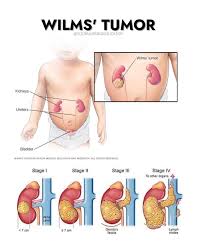
By Nomagugu Konke Donnell Mangoma, a vibrant 16-year-old, is living proof of the importance of early detection and swift action in childhood cancer cases. Donnell's story, narrated by his mother Duvai Muzenda , serves as a beacon of hope for families battling this disease. Donnell's journey began in 2019, when he was just 11 years old. "He started complaining of occasional side pain," Duvai recalls. "At first, we thought it was nothing serious, the ache was episodic, I attributed it to a potential injury sustained during play.” She said. The pain would intensify every week, and one night, his cries of pain and his refusal to eat or sleep were so severe that we decided to seek medical attention However, the pain intensified, leading to a visit to a 24-hour clinic in Malbereign. The tests delivered a shocking diagnosis: a growth had formed on Donnell's right kidney. Referred to Parirenyatwa Hospital, a specialist confirmed the mass was cancerous, a stage 2-3 Wilm's Tumor. Donnell underwent surgery to remove the affected kidney. “The weeks that followed were challenging, but thankfully, Donnell recovered well. “Today, he is back in his element, a thriving high school student at Murehwa Mission, actively participating in sports like any healthy teenager,” said Muzenda. Donnell's story offers a powerful message: early detection and prompt intervention can turn the tide against childhood cancer. By recognizing the warning signs and seeking medical attention immediately, parents can give their children the best chance of a full recovery, just like Donnell. Charity Kawadza, a nurse with KidzCan Zimbabwe, is urging parents to be vigilant in recognizing the early warning signs of childhood cancer. "Don't ignore unusual symptoms like misaligned eyes or unexplained aches and pains," she advises. "Early detection is crucial for successful treatment." Childhood cancer can often present with subtle symptoms that may be easily overlooked. By paying attention to these "red flags," parents can play a vital role in ensuring that their children receive timely medical attention. Kawadza emphasizes the importance of seeking professional advice if parents notice any concerning changes in their child's health. This month of September is Childhood Cancer Awareness Month, a time dedicated to raising awareness about pediatric cancer and supporting children and survivors affected by this devastating disease. Childhood cancer remains a leading cause of death for children under the age of 18. Despite advancements in treatment, many children and families continue to face significant challenges. In Zimbabwe, prevalent cultural beliefs frequently associate illnesses, such as cancer, with spiritual factors, resulting in stigmatization and delayed medical care. Certain cultural taboos and superstitions can impede the pursuit of medical assistance or adherence to prescribed treatments. The rise in childhood cancer cases at Parirenyatwa Paediatric Oncology paints a concerning picture. Between 2022 and 2023, diagnoses of various cancers, including leukemia, Wilm's Tumor, and retinoblastoma, have all shown an increase. This highlights the need for increased awareness and education among parents and caregivers. Childhood cancers can be broadly categorized into three main groups: leukemias, lymphomas, and brain tumors. According to the American Cancer Society, approximately 415 in 1 million children and teenagers will receive a diagnosis of one of these cancers in 2023. Leukemias are the most common type of childhood cancer, with an estimated 53 children and 35 teenagers per million being diagnosed in 2023. The two primary types of leukemia in children and teenagers are Acute Lymphoblastic Leukemia (ALL) and Acute Myeloid Leukemia (AML). Lymphomas are cancers of the lymphatic system. There are two main types: Hodgkin lymphoma and non-Hodgkin lymphoma. Hodgkin lymphoma is more prevalent in teenagers, while non-Hodgkin lymphoma is more common in this age group. Brain tumors are a significant concern for children and teenagers, with an estimated 33 children and 21 teenagers per million diagnosed with cancerous brain tumors in 2023. These tumors can be benign or malignant. Solid tumors can develop anywhere in the body. Common types of solid tumor childhood cancers include neuroblastoma, Wilms tumor, retinoblastoma, bone cancer (osteosarcoma and Ewing sarcoma), and rhabdomyosarcoma.

By Nomagugu Konke Disability rights organizations are urging the government to exempt people with disabilities from radio and television license fees. Disability rights organizations are urging the government to exempt people with disabilities from radio and television license fees. This follows the cabinet's approval of the Broadcasting Amendment Bill. Clause 15 of the bill prohibits the sale of motor insurance and vehicle license discs to individuals without ZBC radio licenses. Speaking to The Business Connect, Director of Signs of Trust, Samantha Sibanda emphasized the crucial role for access of information for people with disabilities. "People with disabilities have a right to access information, but the cost of owning and maintaining a radio or TV is prohibitive," she said. Research conducted by the Trust last year revealed widespread concern among people with disabilities regarding the financial burden of these devices. "Most live in poverty, often relying on small businesses. A license fee feels like a luxury," "We’ve been raising awareness about the extra costs associated with disability, which already make daily living more expensive. Adding license fees worsens the problem," Sibanda explained. The organization also pointed out the ineffectiveness of radios for the deaf community. “Deaf people are benefiting nothing, the bill proposes that at least only 10% of TV programming should be understood by people with hearing impairment. “In our submissions we raised that this too is a very low benchmark, there is still need for creativity in terms of radio programming currently, nothing is done,” she said. The Trust also advocates for more innovative and inclusive radio programming. While commending stations utilizing Facebook Live with automatic captions, Sibanda noted the language barrier. "We commend the radio stations that do Facebook live programs, with Facebook automatic captions some can access the content but vernacular language cannot be captioned, pausing another challenge," Sibanda said.
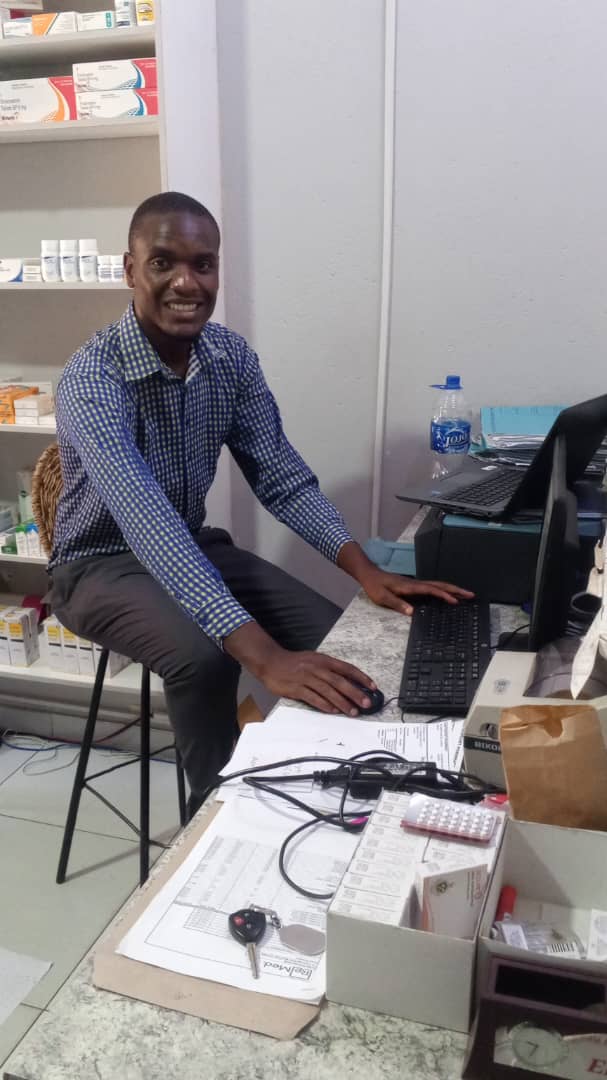
Celebrating innovation: Mukuhlani’s impact on HIV research By Allan Mbotshwa Blessed Takunda Mukuhlani, a registered pharmacist and researcher from Zimbabwe, recently gained global acclaim for his pioneering work in HIV research. His innovative proposal centred on the development of HIV nucleocapsid inhibitors was selected as one of the top five entries in the prestigious BioSolveIT Winter Challenge, an international competition designed to promote cutting-edge solutions in computational drug discovery. Mukuhlani’s project addresses a significant challenge in HIV treatment by targeting the HIV-1 Gag nucleocapsid domain, crucial for viral assembly and release. By employing a computational approach, his work holds the potential to greatly enhance antiviral therapies, which is especially vital in the fight against HIV, a global health concern affecting millions. “This recognition is a testament to the potential of computational methods in drug discovery and the talent we have here in Zimbabwe,” Mukuhlani remarked, highlighting both the innovative spirit prevailing in his home country and the importance of utilizing advanced technologies in medical research. His proposal’s publication on BioSolveIT’s platform further emphasizes the global significance of his work and connects him with a broader community of researchers dedicated to finding solutions to global health issues. As a supervising manager at a pharmacy and Vice Chairman of the FIP Early Career Subcommittee, Mukuhlani exemplifies a commitment not only to individual achievement but also to advancing healthcare practices both locally and internationally. His recognition brings pride to Zimbabwe, reinforcing the country’s role in global health innovation. The BioSolveIT Winter Challenge encourages participation from academics, non-profit organizations, and individuals tackling drug discovery problems, offering a platform for researchers to submit their innovative proposals. With new contests starting every three months, the initiative underscores the importance of collaboration and creativity in the health sector. Mukuhlani’s accomplishments highlight the critical role that innovative research plays in combating global health challenges such as HIV, inspiring future generations of researchers to pursue their ideas and contribute to meaningful advancements in healthcare.
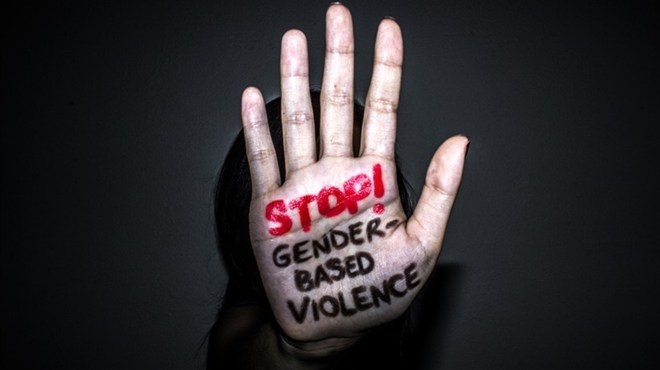
Turning the tide on gender-based violence in East and Southern Africa By Staff Reporter Joint op-ed by Eastern and Southern Africa Regional Directors: Ms Anne Githuku-Shongwe, UNAIDS; Ms. Lydia Zigomo, UNFPA; and Ms. Etleva (Eva) Kadilli, UNICEF. Janeth, a nurse in Tanzania, sees the toll of gender-based violence every day. Caroline, a young advocate in Malawi, educates her peers about abuse, hoping to break the cycle. Eric, a peer educator in Uganda, works tirelessly to improve HIV care in his community. These are the faces of resilience, working against the odds to build a better future for East and Southern Africa. When it comes to sexual and reproductive health and rights in Eastern and Southern Africa, the numbers are stark. The region has some of the world’s highest rates of gender-based violence, and adolescent pregnancy and remains the epicentre of the HIV crisis. Two-thirds of the global population of adolescents living with HIV reside in this region. New HIV infections are more than six times higher among adolescent girls (10-19 years) than adolescent boys in Eastern and Southern Africa. But the headlines don’t often show the changes that are improving lives across the continent, and all too often, they do not profile the inspiring work of young people like Janeth, Caroline and Eric working to turn the tide for their communities. As regional UN directors working in these areas we have travelled across Eastern and Southern Africa, hearing from the region’s most vulnerable. And while the figures on gender-based violence, unintended pregnancy, and preventable maternal deaths are far too high, we are left hopeful and inspired, knowing that change is possible. And it’s happening. Take the 2gether 4 SRHR programme, for example, collaboration between UNAIDS, UNFPA, UNICEF, and WHO, that works to advance sexual and reproductive health and rights (SRHR) for all in East and Southern Africa. In partnership with the Government of Sweden, the program has helped to improve the health and well-being of 640 million people since 2018. Countries have developed national guidelines and trained healthcare workers to ensure survivors are provided with quality, people-centred, integrated services so they can avoid unintended pregnancies, STIs and HIV and to ensure that perpetrators are prosecuted. This has led to better care and support for survivors, increased uptake of services, and better client retention. However, when it comes to making a lasting impact, it is clear that investments are also needed to create enabling policies and laws. Thanks to partnerships with the East African Legislative Assembly (EALA), and the Southern Africa Development Community Parliamentary Forum (SADC-PF), there has been considerable progress in tracking and safeguarding the rights of women and girls and other groups at risk. A new model law on Gender-Based Violence is now in place to guide the 16 SADC Member States to harmonise their national legislation on gender-based violence. This is a critical step for a region where 17% of girls and women have experienced sexual or physical violence by an intimate partner in their lifetime, and 8.6% have experienced sexual violence by a non-intimate partner. Eswatini, Lesotho, and Uganda have all passed laws that have strengthened provisions to deter sexual harassment, to protect survivors and ensure the prosecution of perpetrators. Harmful social, religious, and cultural norms often reinforce patriarchal values, so we work directly with religious leaders, communities, and networks of influencers across the region. We engage men and boys in conversations about gender equality, positive masculinity and sexual and reproductive health rights. With the 30th anniversary of the Beijing Declaration approaching and the SDG targets for gender-based violence and gender equality a mere six years away, the efficacy of partnerships and evidence-based programming is clear. We are all accountable for ending violence against women and girls once and for all. Each step forward in addressing gender-based violence is driven by a story of bravery and demand for change, whether it be legislators, health care workers, and community activists such as Janeth, Caroline and Eric. During this 16 Days of Activism against Gender-based violence and beyond, we celebrate all the heroes who are driving progress.
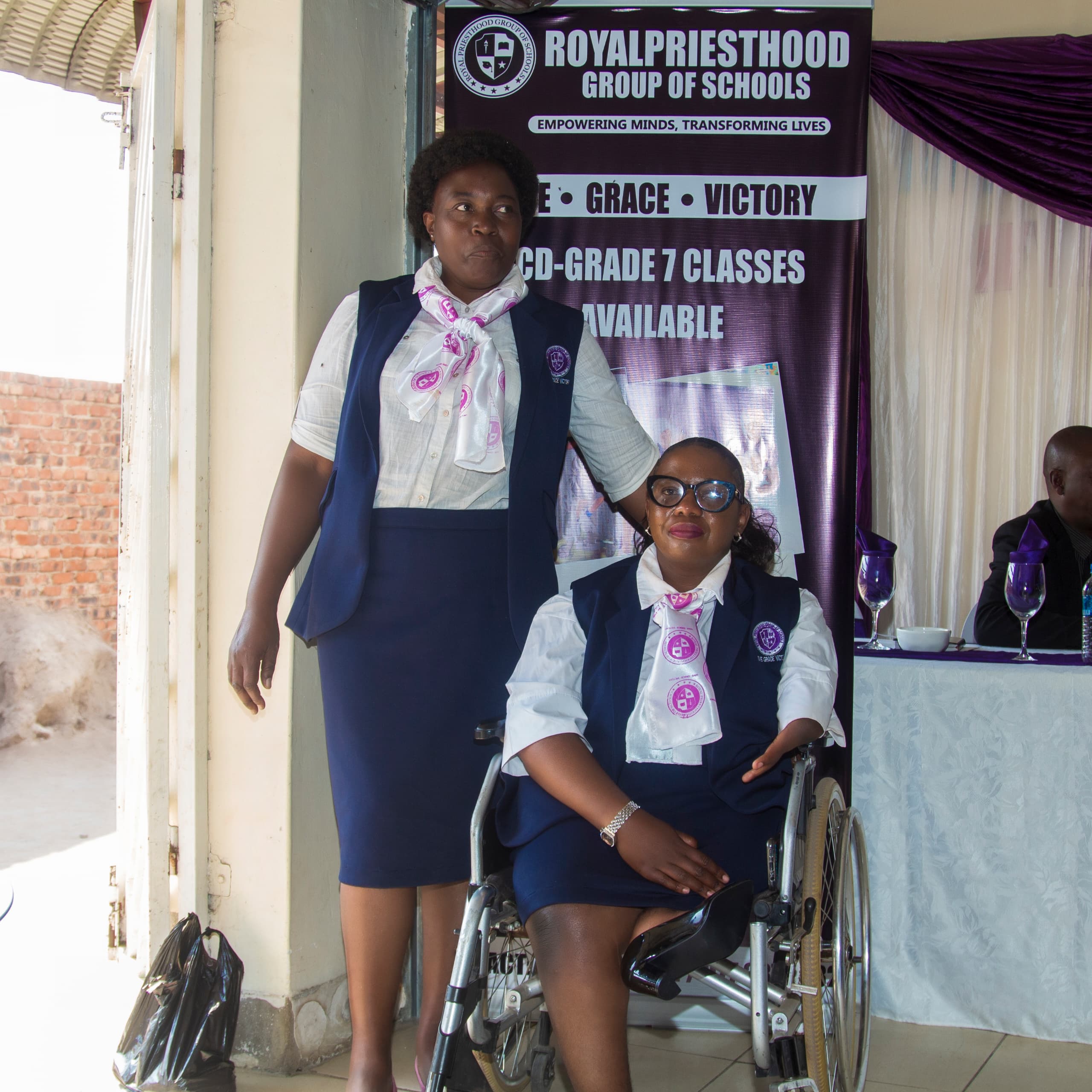
Every Child Matters By Nancy Mwakutireni Education is the foundation upon which we build our future. Yet, for far too long, children with special needs have been overlooked and underserved in our education system. However, this is changing as we have various schools like the Royal Priesthood Group of Schools making sure that no child is left behind. Every child, regardless of their abilities or challenges, deserves access to quality education that meets their unique needs and empowers them to reach their full potential. That is why this "Every Child Matters" campaign is so vital. It is shining a much-needed spotlight on the critical issue of special needs education. It is raising awareness and sparking important conversations about how we can do better to support all students, including those with disabilities, learning differences, or other special needs. We know that inclusive, specialized education programs can make an enormous difference in the lives of children with special needs. When these learners receive the tailored support, accommodations, and resources they require, they can thrive academically, socially, and developmentally. Their self-esteem grows, their opportunities expand, and their futures become brighter. Yet, access to these transformative educational programs remains uneven. Too many children with special needs still face barriers, stigma, and limited options. This is unacceptable. Every child matters, and every child deserves the chance to learn and grow in an environment that nurtures their unique strengths. That is why initiatives like this "Every Child Matters" campaign are so important. By raising awareness and mobilizing our communities, we can work together to make quality special needs education accessible to all. We must commit to building a more inclusive, equitable education system - one that celebrates diversity, empowers students of all abilities, and prepares every young person to thrive. When we do that, we do not just transform the lives of children with special needs. We strengthen our entire society because we unlock the boundless potential in every child. Let us continue to work hand-in-hand to ensure that every child, no matter their circumstances, has the opportunity to reach for the stars. Together, we can make a real and lasting difference in the lives of children with special needs across our community.
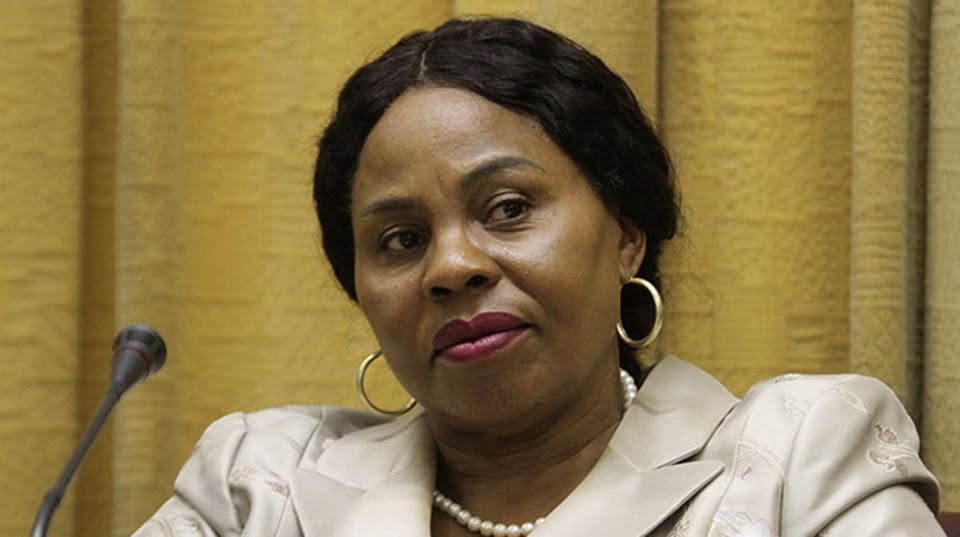
Zimbabwe Launches 16 Days of Activism against GBV By Senior Reporter Minister of Women Affairs, Community, Small and Medium Enterprises Development, Monica Mutsvangwa, launched the 16 Days of Activism Against Gender-Based Violence campaign in Umzingwane District, Matabeleland South Province, urging citizens to actively combat gender-based violence (GBV). The campaign, running under the theme “Towards 30 years of the Beijing Declaration and Platform for Action: UNiTE to End Violence Against Women and Girls,” marks the 30th anniversary of the Beijing Declaration and Platform for Action and a ten-year milestone towards achieving the Sustainable Development Goals. “Creating a society free from violence is our collective responsibility,” “Our cultural values have never condoned violence, but some individuals hide behind culture to justify their acts. The time to stand against them and change societal attitudes is now,” Minister Mutsvangwa said. She also highlighted the government's commitment to ending GBV, citing the construction of safe markets, including the Umzingwane Safe Market, scheduled to open by April 2025. “To create a conducive working environment for women, which is free from violence, we are constructing the Umzingwane Safe Market,” she stated. The 16 Days of Activism aims to raise awareness, mobilize action, enhance stakeholder collaboration, and strengthen accountability in addressing GBV. Minister Mutsvangwa noted Zimbabwe’s progress in advancing gender equality, referencing progressive laws such as the Domestic Violence Act, mandatory sentencing for rape, and legislation protecting pregnant girls in school. She also emphasized the 2021 launch of the High-Level Political Compact on Ending Gender-Based Violence. Despite this progress, alarming GBV statistics persist. “The Multiple Indicator Cluster Survey has shown that 42.5% of women have experienced physical or sexual violence in their lifetime,” “These are not just numbers; they represent our mothers, sisters, and daughters,” the Minister said. Minister Mutsvangwa called for reinvigorated efforts, recommitment to the Beijing Declaration, and strengthened multisectoral responses. She emphasized the importance of empowering survivors and engaging men in combating GBV, acknowledging that GBV is perpetrated by both men and women. “Our emphasis on male engagement does not mean that only men are the perpetrators of GBV, GBV is unacceptable in all its forms.” she clarified. The Minister also highlighted government initiatives such as the Women’s Development Fund and the establishment of One-Stop Centres providing holistic services to GBV survivors. “To date, the Ministry and its partners have established 18 One Stop Centres and a total of 20 GBV Safe Shelters,” she said.

By Nomagugu Konke Montgomery Processors, a local food processing company based in Harare, has called on farmers to consider cultivating white beans, also known as Michigan pea beans or white haricot beans, due to the increasing demand for this variety at their factory. During a recent media tour, Mr. Michael Mugani, the Procurement and Outgrower Development Manager, highlighted the challenges of sourcing this type of bean within the country. “At Montgomery Processors, we purchase Michigan pea beans, which are essential for processing Monty’s baked beans. Currently, we face a significant challenge as we are importing most of our beans; only about 10% of our supply comes from Zimbabwe,” he said. Mugani encouraged farmers to grow this variety, emphasizing the financial benefits. “We pay US$1,200 per tonne for these beans, and we typically require 5,000 tonnes per year for our production,” he added. The most common variety of beans planted in Zimbabwe is sugar beans, which ranks among the top five crops that generate significant income for farmers and traders. Last year, the company embraced technological advancement by introducing Tetra Recart, a packaging solution that enables products like beans to be stored in cartons, offering shelf stability for about a year. During the tour, Montgomery’s Managing Director, Mr. Liam Philp, noted that this innovation has significantly reduced the company's costs associated with importing cans from South Africa. “Tetra Recart technology is the first of its kind on the African continent, and we take pride in being the innovators bringing it to Zimbabwe,” "This technology enhances our price competitiveness, promotes sustainability throughout the value chain, streamlines logistics, and reduces energy consumption in recycling," Philp said.
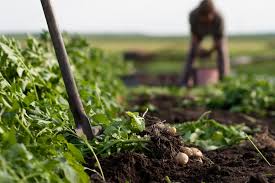
By Nomagugu Konke A rural community nestled in the heart of Zimbabwe; Mbire faces the dual challenges of limited resources and infrastructure alongside the increasing threats of climate change. Despite these obstacles, Mbire is actively working to promote sustainable development and preserve its rich cultural heritage and natural resources. To mitigate the impacts of droughts and floods, which have become more frequent and severe due to climate change, Mbire has embarked on a range of initiatives. These include community-led conservation efforts, training programs in sustainable agriculture, innovative waste management and recycling schemes, and the adoption of renewable energy sources. Additionally, the district is exploring eco-tourism as a means to generate income and protect its natural environment. Mamera Kadzingatsayi, a member of the Climate Change and Earth Stewardship community, has highlighted the importance of ecological integrity principles in driving sustainable development in Mbire. "Ecological integrity is the cornerstone of a thriving community," "It involves protecting natural resources, promoting sustainable agriculture, conserving biodiversity, reducing pollution, and ensuring sustainable water management," Kadzingatsayi emphasized during a presentation. "These initiatives not only improve livelihoods and food security but also enhance biodiversity, increase climate resilience, reduce pollution, and empower local communities," Kadzingatsayi explained. Key stakeholders involved in these efforts include local communities, traditional leaders, government agencies, NGOs, community-based organizations, the private sector, and research institutions. Kadzingatsayi called upon all stakeholders to collaborate and support community-led initiatives, advocate for policy changes, and engage in sustainable practices. "Together, we can promote climate resilience and earth stewardship in Mbire Rural District," she said. By embracing ecological integrity principles and implementing sustainable initiatives, Mbire Rural District is demonstrating its commitment to building a more resilient and prosperous future for its residents. Ecological integrity, the preservation of natural systems and their processes, is a cornerstone of sustainable development. It ensures that ecosystems can function effectively, providing essential services like clean air, water, and biodiversity. In Zimbabwe, where natural resources are vital for livelihoods and economic growth, safeguarding ecological integrity is paramount. One of the most pressing environmental challenges facing Zimbabwe is deforestation. Large swathes of forests have been cleared for agriculture, mining, and fuelwood, leading to soil erosion, loss of biodiversity, and climate change. Restoring these degraded ecosystems through reforestation and afforestation initiatives is crucial for ecological integrity. Additionally, promoting sustainable agriculture practices that minimize deforestation and soil erosion, such as agroforestry and contour farming, can help protect the country's natural resources. Another area of concern is water pollution, particularly in urban areas and mining regions. Industrial effluents, sewage, and agricultural runoff contaminate rivers and streams, harming aquatic ecosystems and endangering human health. Implementing stricter environmental regulations and investing in wastewater treatment infrastructure are essential steps to improve water quality and protect aquatic biodiversity. Moreover, Zimbabwe's rich biodiversity is under threat due to habitat loss, poaching, and illegal wildlife trade. Establishing protected areas, such as national parks and wildlife sanctuaries, is vital for conserving biodiversity and preserving ecosystems. Furthermore, strengthening law enforcement and combating illegal wildlife trade can help safeguard Zimbabwe's unique flora and fauna.
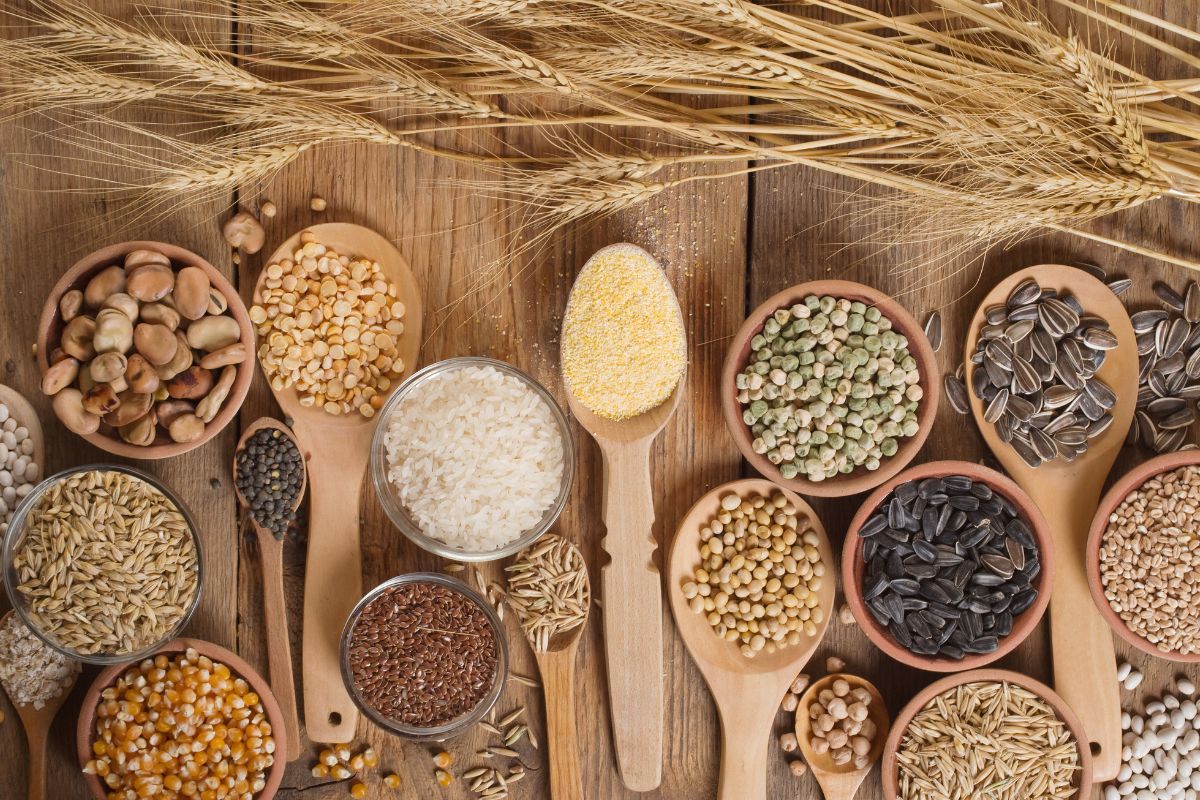
Govt targets 3.3m MT Cereal production amid drought By senior reporter The government is set to increase cereal production to 3.3 million metric tonnes (MT) during the 2024/2025 Summer Season Plan, aiming to bolster food security amid ongoing drought conditions. This target marks a substantial increase from the previous season's harvest of 744,271 MT. During a post-cabinet briefing on Tuesday, Information Minister Jenfan Muswere shared crucial updates on the agricultural sector's strategies in response to the El Niño-induced drought. “The 2024/2025 Summer Season Plan aims to increase production of cereals to 3,274,200 MT, compared to the 744,271 MT obtained during the 2023/2024 summer season," he said. Overall production of major crops is expected to rise by 347%, from 915,000 MT to over 4 million MT, with cereals targeted at 3.3 million MT and pulses at 819,500 MT. Currently, the Strategic Grain Reserve holds 245,052 MT of wheat, maize, and traditional grains. Muswere noted that over 746,238 hectares of maize have been planted, achieving 41.5% of the target area. “Under the Presidential Input Schemes, 117% of the targeted 9 million plots have been prepared by 116% of the targeted 3 million rural households,” said Minister Muswere. The Minister encouraged farmers to follow advisories from AGRITEX to navigate the challenges of the ongoing dry spell. “A prediction by the Meteorological Services of normal to above-normal rainfall is still in place,” he said.

Zimbabwe Targets Bumper Harvest to Boost Food Security By Allan Mbotshwa Zimbabwe's Minister of Lands, Agriculture, Fisheries, Water and Rural Development, Dr Anxious Masuka, has outlined an ambitious plan for the 2024/2025 summer cropping season, aiming to significantly increase agricultural production and enhance food security. "The overall production volumes of major crops are expected to increase by 347%. The plan is to produce enough to feed the nation and to replenish the Strategic Grain Reserve," Minister Masuka stated. The government is targeting a total of 3.24 million hectares for summer crop cultivation, with maize, sorghum, pearl millet, finger millet, soybeans, groundnuts, sugar beans, groundnuts, and African peas being the primary crops. A significant portion of this land will be allocated to the Pfumvudza/Intwasa Climate-Proofed Presidential Inputs Supply Scheme, which aims to empower small-scale farmers. “To support the agricultural sector, the government has initiated various measures, including the distribution of inputs, the expansion of silo capacity, and the facilitation of contract farming arrangements for tobacco and cotton,” he added. The success of the 2024/2025 summer cropping season hinges on several factors, including timely rainfall, effective irrigation systems, access to quality inputs, and favourable market conditions. By addressing these factors and implementing sound agricultural policies, Zimbabwe can strive to achieve food self-sufficiency and economic growth.
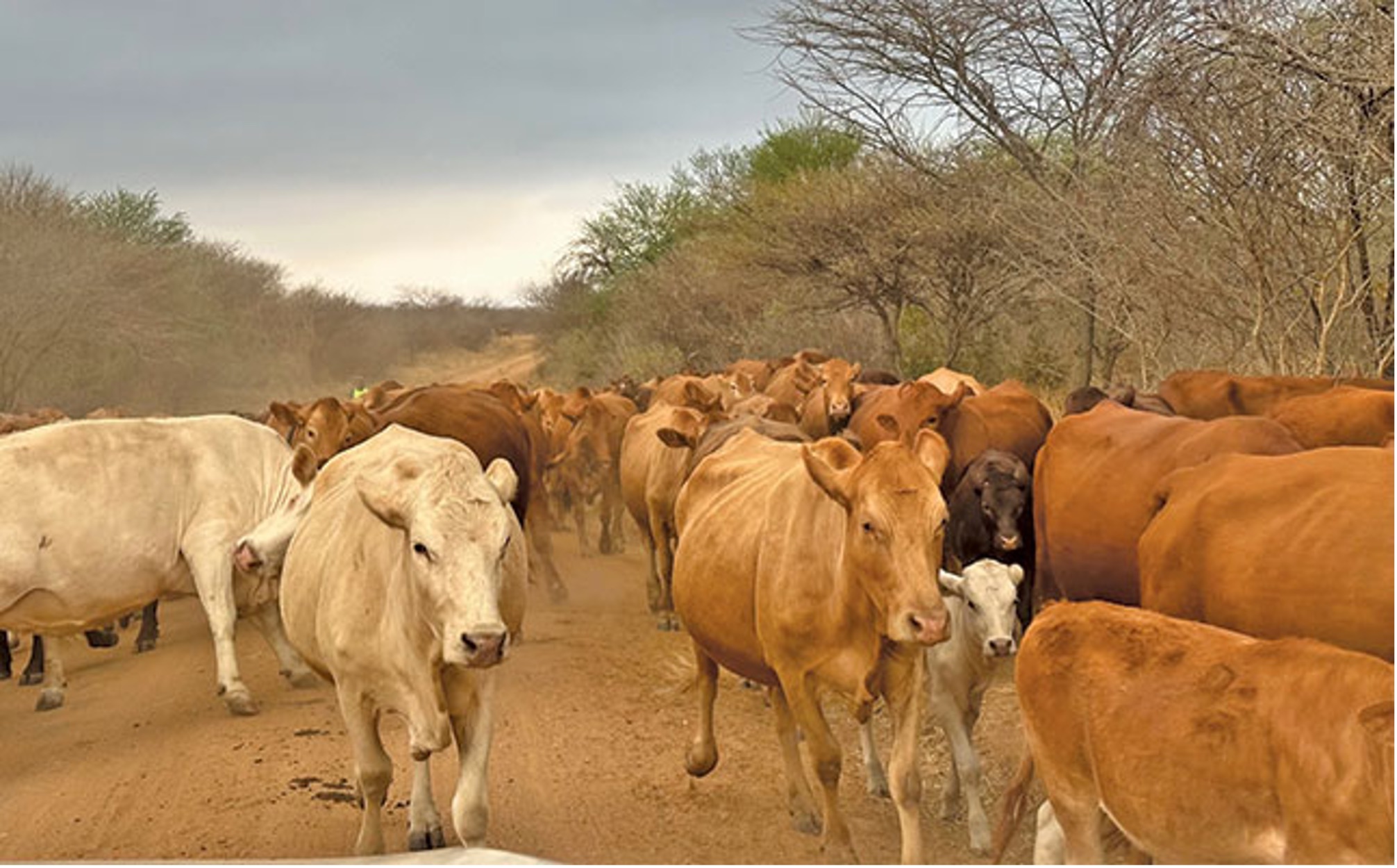
Zimbabwe's livestock industry at risk By Staff Reporter Zimbabwe's livestock industry, particularly cattle and goat production, has historically thrived in the drier southern regions of the country. This region's favourable climate and extensive grazing lands provided a comparative advantage for livestock production. However, in recent years, Zimbabwe has shifted its focus to the wetter northern region, potentially compromising its livestock production capacity. Dr. Reneth Mano, an agricultural economist with the Livestock and Meat Advisory Council (LMAC), highlighted that this shift has diluted the country's core competencies in livestock production. The southern region, better suited for ruminant livestock, has been neglected, while efforts are concentrated in the less suitable northern region. Livestock production plays a crucial role in Zimbabwe, contributing to household livelihoods, nutrition, and food security. Large-scale farmers, with their resources and adaptability,
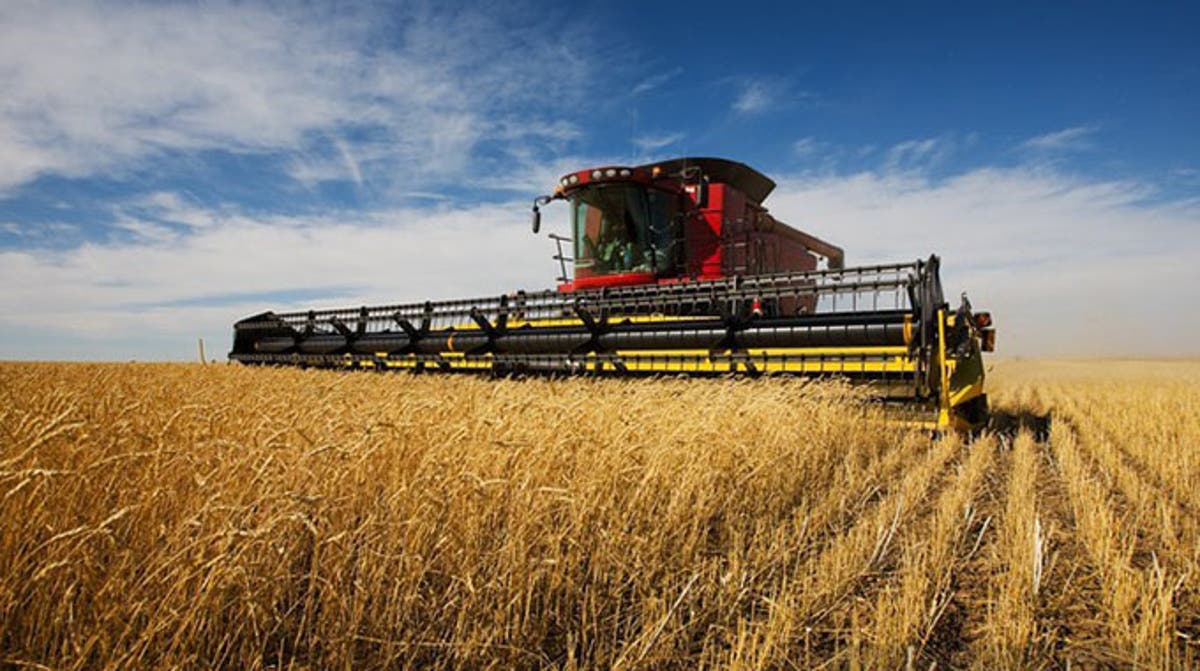
Zimbabwe Reaps Record Wheat Harvest, Aims for Bumper Summer Crop By Senior Reporter Zimbabwe has achieved a record-breaking winter wheat harvest for 2024. As of November 1st, 106,238 hectares had been harvested, yielding 518,502 metric tonnes of wheat, surpassing the previous year's total of 465,546 metric tonnes. Information, Publicity and Broadcasting Services Minister, Jenfan Muswere, attributed this success to the foresight and leadership of President Emmerson Mnangagwa. “The remarkable performance of the winter wheat programme attests to the foresight, planning and organizational dexterity of His Excellency the President, Cde. E.D. Mnangagwa,” said Muswere. Looking ahead to the 2024/2025 summer cropping season, the government has ambitious plans to increase production significantly. “The 2024/2025 Summer Season Plan aims to increase production of cereals to 3 274 200 metric tonnes, against the 744 271 metric tonnes obtained during the 2023/2024 summer season,” said Muswere. Under the Presidential Input Schemes, 91% of the targeted 9.5 million plots have been prepared by 86% of the targeted 3.5 million households. All beneficiaries will receive 50% of their inputs by 24th November 2024. The government has adopted additional measures to curb the abuse of inputs. The measures include blacklisting any official involved in input abuse; banning ward committees involved in input abuse; and implementing an improved Standard Operating Procedure with role clarity. Minister Muswere also said the National Enhanced Agricultural Productivity Scheme will establish a total of 52 500 hectares under maize, soybeans, traditional grains and sunflower, with a target to produce 256 000 metric tonnes. “The private sector has also undertaken to fund the establishment of 95 046 hectares of maize, soybeans, potatoes, sugar beans and sunflower. The ARDA facility will plant 100,000 hectares of maize and 50,000 hectares of traditional grains,” “The private sector support for cotton targets 418 800 farmers to plant 270 000 hectares under cotton. The target tobacco production for 2024/2025 season is 300 million kilogrammes, and to date, over 117 000 growers have registered,” “To achieve these goals, the government has implemented various measures, including the Presidential Input Scheme, which aims to provide inputs to 3.5 million households." All beneficiaries will receive 50% of their inputs by 24th November 2024," said Muswere.

Liberation Mall to Start Operating in April By Nomagugu Konke The first phase of the Liberation mall is expected to Operating on the 18th of April this year. The mall, which is part of the projects done at the Museum of African Liberation, is being built through a partnership between National Social Security Authority and Institute of African Knowledge. Speaking during a media of the Museum of African Liberation this week, INSTAK CEO Ambassador Kwame Muzawazi said the structures of the fist phase of the mall, which is a retail market, have been completed. "It will be the biggest retail market in the country, those who typically shop in western Harare will now come to this mall. The structure itself is complete; we are waiting for the operator to move in and add the finishing touches. As part of Phase 1, we have completed the Redan filling station, which is already operating and contributing to the construction of the museum. Nando's is also finished and trading, similarly contributing to the museum's construction. We hope to open Phase 1 on April 18th," said Ambassador Muzawazi. The construction of the Liberation Museum is advancing as the Zimbabwean section of the museum is currently at 80 percent whilst the rest of the African Liberation museum is at 25 percent. “We are expecting to officially open the Zimbabwean part of the museum by the end of this year” Muzawazi said. Donations for the museum, particularly from liberation heroes, have already started arriving. Among the artifacts are two cars from the family of former President Robert Mugabe, which he used before his presidency. The museum also displays the military uniform worn by the late Comrade Josiah Magama Tongogara on the day he died in the car accident, as well as the pistol he used.

The tourism sector is a vital cog in economic development By Allan Mbotshwa The 2025 Zimbabwe National Budget places considerable emphasis on revitalizing the tourism sector, recognizing its critical role in the nation’s economic recovery, especially amid the challenges posed by climate change. “As the agriculture sector grapples with the adverse effects of climate variability—such as droughts, changing rainfall patterns, and increased pest infestations—tourism has emerged as a vital alternative for economic sustainability and community resilience,” said Minister Rwodzi, during the launch of the Domestic Tourism Launch initiative. The financial impact of tourism in Zimbabwe has been significant. In 2019, the sector contributed approximately $1.5 billion to the economy, employing over 400,000 individuals directly and indirectly. However, the COVID-19 pandemic drastically impacted tourism, with revenues plummeting by nearly 70% in 2020. As the economy began to reopen, tourism revenues recovered to around $1 billion in 2021, rebounding to approximately $1.3 billion in 2022. Projections for 2024 suggest that revenues could exceed $1.6 billion as international travel resumes and visitor numbers increase. Zimbabwe's diverse natural landscapes, rich wildlife, and cultural heritage make it a prime destination for international travellers. The tourism industry not only generates significant revenue through visitor spending but also creates employment opportunities and supports local communities. “As the agriculture industry is facing severe disruptions, strengthening the tourism sector can provide an essential economic buffer, diversifying income streams for those who traditionally rely on farming.” Investing in tourism infrastructure and promoting eco-friendly tourism initiatives are critical steps highlighted in the national budget. By focusing on sustainable practices, Zimbabwe can attract environmentally conscious travellers who value conservation and responsible tourism,” said Mr Kennedy Mawire. This approach not only helps protect natural resources but also enhances the country’s appeal as a travel destination. Moreover, the tourism sector has the potential to raise awareness about the impacts of climate change, fostering a culture of sustainability and environmental stewardship. Through partnerships with local communities, tourism can promote conservation efforts, ensuring that both the land and its people thrive despite agricultural challenges. In conclusion, as climate change continues to impact agriculture in Zimbabwe, the tourism sector stands as a beacon of hope for economic diversification and resilience. By embracing sustainable tourism, Zimbabwe can harness its unique assets while mitigating the adverse effects of climate change, ultimately contributing to a more stable and prosperous future for its citizens.

Tourism: A cornerstone of Zimbabwe's economy By Allan Mbotshwa Tourism has emerged as a vital pillar of Zimbabwe's economy, contributing significantly to GDP, foreign exchange earnings, and employment generation. The country boasts a rich tapestry of natural wonders, historical sites, and cultural experiences that attract visitors from around the globe. One of Zimbabwe's most iconic attractions is Victoria Falls, a UNESCO World Heritage Site renowned for its awe-inspiring beauty and thrilling adventure activities. Other natural treasures include Hwange National Park, home to diverse wildlife, and the Great Zimbabwe National Monument, a testament to the country's ancient civilization. Beyond its natural wonders, Zimbabwe offers a vibrant cultural scene, with traditional dances, music, and crafts showcasing the country's diverse heritage. The warm hospitality of its people further enhances the visitor experience. The tourism sector plays a crucial role in creating em
CBZ Bank appoints Gift Simwaka as Managing Director By Allan Mbotshwa CBZ Bank Limited, a leading financial institution in Zimbabwe, is pleased to announce the appointment of Mr Gift Simwaka as its new Managing Director, effective from 1st September 2024. Mr Simwaka brings a wealth of experience to the role, having worked in the financial services industry for over 26 years. His expertise spans trade and project finance, transaction banking, regulatory policy, and financial sector oversight. Before joining CBZ Bank, Mr Simwaka held senior positions at various financial institutions, including Citi Bank Zambia Limited, the Central Bank of Zambia, the African Trade Insurance Agency, and the African Export-Import Bank. He has a proven track record of success in both the public and private sectors. Mr. Simwaka holds a Bachelor of Arts in Economics from the University of Zambia and an MBA in Finance from California State University, Hayward. He also possesses a Certificate in Applied Statistics and various professional and management qualifications. The Board of Directors, Management, and Staff of CBZ Bank Limited extend their congratulations to Mr Simwaka on his appointment and wish him success in his new role.
Stanly House, Cnr First & Jason Moyo, Harare
admin@thebusinessconnect.com
+263 719 534 907
/ +263 777 534 907
© The Business Connect. All Rights Reserved. Designed by Megabits Tech